
Autism Partnership Hong Kong
Making a Difference for Individuals with Autism Spectrum Disorder (ASD) Through High-Quality APM® Autism Treatment Since 1994
Is Your Child Meeting Key Developmental Milestones?
A Quick Check for Parents of Children Aged 18 Months – 6 Years
New Parents’ Guide to Autism Spectrum Disorders
Support, guidance, and answers for families navigating a new ASD diagnosis
Meet LUMI, Your 24/7 AI Chat Buddy!
Available anytime, anywhere, always ready to help with autism support.
Intensive 1on1 Autism Therapy Programs
Designed to maximize the progress of children with ASD and reach their full potential.
Jumpstart – A 5-Day APM Therapy Program
1:1 APM Intensive Specialized Treatment – A Short ABA Therapy Program for Rapid Progress


Changing Lives Through High-Quality APM® : A Progressive ABA Approach for Autism Treatment in Hong Kong & Worldwide
Since 1994, Autism Partnership has been dedicated to providing high-quality APM® autism treatment for children with ASD across multiple countries, including Hong Kong.
Our APM® model is a progressive, evidence-based autism treatment grounded in Applied Behavior Analysis (ABA), designed to deliver flexible, individualized, and highly effective learning experiences that support meaningful, long-term progress.


Autism Partnership - A Global Presence
Autism Partnership provides high-quality APM® autism treatment services across 14 centers in 7 countries and 12 cities worldwide, delivering flexible, evidence-based autism therapy for children with ASD and comprehensive autism support for families.
In Hong Kong, AP has 3 autism treatment centres in Quarry Bay and Lai Chi Kok, providing intensive, individualized APM® autism treatment tailored to each child’s needs.
Years of Experience
0
+
Global locations
0
Professionals
0
+
Children and Families Supported
0
+
Autism Partnership - A Belief That Started Everything
It Began with a Question
What if children with ASD were not limited by their diagnosis —
but by how they were taught?
In the 1970s, a group of young clinicians began working together at the UCLA Young Autism Project. Under the mentorship of Dr. O. Ivar Lovaas, they were immersed in every aspect of early autism intervention — teaching, supervision, curriculum development, parent training, and research.
They did not simply apply methods.
They studied how children responded.
They asked why some learned faster — and why others stalled.
That question would shape decades of work.
In the 1970s, a group of young clinicians began working together at the UCLA Young Autism Project. Under the mentorship of Dr. O. Ivar Lovaas, they were immersed in every aspect of early autism intervention — teaching, supervision, curriculum development, parent training, and research.
They did not simply apply methods.
They studied how children responded.
They asked why some learned faster — and why others stalled.
That question would shape decades of work.
Where Practice Met Purpose
During their years at UCLA, Ronald Leaf and John McEachin (the co-founders and directors of Autism Partnership) were involved in the foundational work of behavioral intervention for autism. They contributed to curriculum development, behavioral strategies, research studies, publications, and international conferences that would influence the field for years to come.
But more importantly, they saw something clearly:
Progress was not just about what was taught —
it was about whether a child had learned how to learn.
Motivation, attention, flexibility, and engagement mattered.
Without them, skills faded. With them, learning accelerated.
Learn more about our directorsBut more importantly, they saw something clearly:
Progress was not just about what was taught —
it was about whether a child had learned how to learn.
Motivation, attention, flexibility, and engagement mattered.
Without them, skills faded. With them, learning accelerated.
The Decision to Do More
Why Autism Partnership Was Formed
Why Autism Partnership Was Formed
Why Autism Partnership Was Formed
By the early 1990s, the need for high-quality, comprehensive autism services had grown rapidly — but consistency and depth were still lacking.
In 1994, Autism Partnership was formed in the United States with a clear purpose: to bring together decades of clinical experience and refine autism treatment into something more responsive, more individualized, and more effective.
AP was not built as a program to be copied.
It was built as a practice to be refined.
From the beginning, services were designed to adapt to the child — not force the child into a fixed model.
By the early 1990s, the need for high-quality, comprehensive autism services had grown rapidly — but consistency and depth were still lacking.
In 1994, Autism Partnership was formed in the United States with a clear purpose: to bring together decades of clinical experience and refine autism treatment into something more responsive, more individualized, and more effective.
AP was not built as a program to be copied.
It was built as a practice to be refined.
From the beginning, services were designed to adapt to the child — not force the child into a fixed model.
Led by Clinicians, Grounded in Experience
Leadership That Advances Autism Treatment Practice
Leadership That Advances Autism Treatment Practice
Autism Partnership continues to be led by our directors including Toby Mountjoy, Dr. Ronald Leaf and Dr. John McEachin and professional clinicians whose careers span decades of autism treatment, research, and training.
Our directors remain closely involved in clinical oversight, program development, and staff training — ensuring that decisions are guided by outcomes, not trends.
This leadership continuity is what allows Progressive ABA to remain both rigorous and responsive, even as the field evolves.

Autism Partnership Hong Kong —
Where Our Work Took Root in Asia
Where Our Work Took Root in Asia
The First. The Largest.
Providing Quality Autism Therapy in Hong Kong
Providing Quality Autism Therapy in Hong Kong
Opened in 1999, Autism Partnership Hong Kong was the first autism treatment provider in Hong Kong to specialize in intensive APM® therapy for children with Autism Spectrum Disorder (ASD).
But our beginnings were far from large.
There was no dedicated autism therapy centre in Hong Kong—just a small team of fewer than ten, led by Ronald Leaf, working directly in families’ homes, training parents, and teaching children one by one.
What grew was not a business. What grew was trust.
But our beginnings were far from large.
There was no dedicated autism therapy centre in Hong Kong—just a small team of fewer than ten, led by Ronald Leaf, working directly in families’ homes, training parents, and teaching children one by one.
What grew was not a business. What grew was trust.
Toby Mountjoy and the Early Days of Autism Partnership Hong Kong
In 1996, Toby Mountjoy moved to Hong Kong shortly after completing his degree in the United Kingdom— drawn by a desire to learn, to be challenged, and to explore meaningful work.
Not long after arriving, he attended an ASD training workshop led by Dr. Ronald Leaf. That experience introduced him to the field of autism intervention and to the realities of working closely with children and families of ASD. He later joined Autism Partnership as a behavioural therapist, supporting a small group of families with ASD in Hong Kong and learning the work from the ground up.
At the time, services were entirely home-based, with therapists working directly with families. The work was demanding—but it laid the foundation for what would become Autism Partnership Hong Kong.
Not long after arriving, he attended an ASD training workshop led by Dr. Ronald Leaf. That experience introduced him to the field of autism intervention and to the realities of working closely with children and families of ASD. He later joined Autism Partnership as a behavioural therapist, supporting a small group of families with ASD in Hong Kong and learning the work from the ground up.
At the time, services were entirely home-based, with therapists working directly with families. The work was demanding—but it laid the foundation for what would become Autism Partnership Hong Kong.
How Autism Partnership Hong Kong Took Shape
As more families sought ASD support in Hong Kong, the need for a more sustainable and consistent early intervention model for children with ASD became clear. Dr. Leaf and Toby Mountjoy began discussing the value of establishing a permanent base in Hong Kong—a place where full-time staff could be trained, supervised, and supported, and where families could access services with continuity and depth.
That vision became reality in 1999, with the opening of the Autism Partnership Hong Kong center.
Today, AP Hong Kong has 3 autism therapy centers located in Quarry Bay and Lai Chi Kok, with a total of 32,000 square feet of purpose-built learning space.
That vision became reality in 1999, with the opening of the Autism Partnership Hong Kong center.
Today, AP Hong Kong has 3 autism therapy centers located in Quarry Bay and Lai Chi Kok, with a total of 32,000 square feet of purpose-built learning space.
A Regional Leader, With the Same Clinical Heart
Today, Autism Partnership Hong Kong is home to the largest and most highly qualified team of APM® experts in Asia, and has supported thousands of families of children with autism across Hong Kong and the region.
Despite its growth, the heart of the work remains unchanged:
• Intensive and individualized teaching
• Close clinical supervision
• Strong parent involvement
• A focus on long-term outcomes, not short-term gains
From a handful of home visits to 3 dedicated autism therapy centers, AP Hong Kong’s story is one of steady progress—built through relationships, experience, and care.
Despite its growth, the heart of the work remains unchanged:
• Intensive and individualized teaching
• Close clinical supervision
• Strong parent involvement
• A focus on long-term outcomes, not short-term gains
From a handful of home visits to 3 dedicated autism therapy centers, AP Hong Kong’s story is one of steady progress—built through relationships, experience, and care.

Quality Intensive APM® Treatment Programs for Autism
The Autism Partnership Method®
The AP Method®
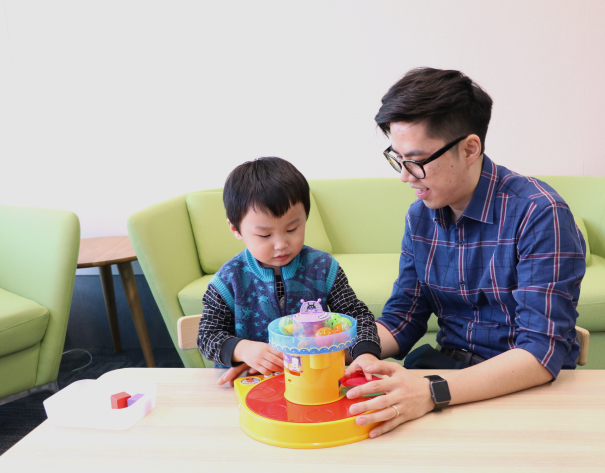
Built on over 30 years of clinical experience and autism research, the AP Method™ develops critical learning, communication, social, and life skills through individualized, evidence-based intervention.
We focus on what matters most — helping children with ASD:
- Reduce challenging behaviors
- Develop strong “learning how to learn” skills
- Learn how to communicate effectively
- Build meaningful social interactions
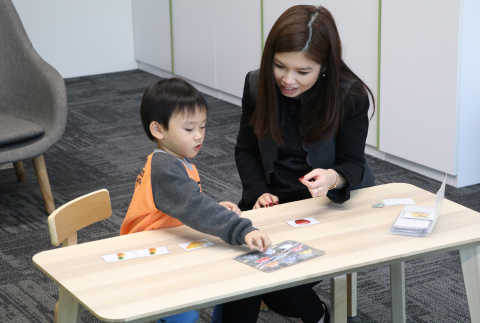
Our Intensive APM® Treatment Programs for children with ASD
We devote our expertise and effort to individualizing every autism treatment program according to each child’s individual needs, paving the way for a future with amazing choices and opportunity.
We offer a range of autism therapy services, including:
- Early Intervention for Autism
- Intensive 1 on 1 APM® Therapy Programs
- School Readiness Programs
- Social Skills Training Programs
- School Shadowing Programs
- Parent Training and Support
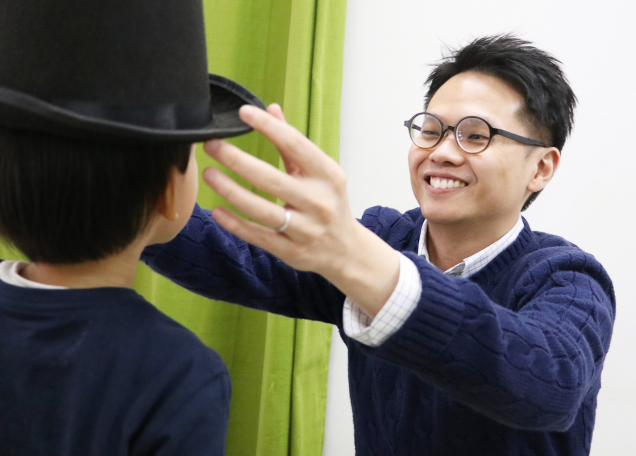
Psychological Assessments for Autism in Hong Kong
We offer one of the most comprehensive, detailed, and specialized autism assessment services in Hong Kong and across Asia, supporting both local and overseas families in gaining a clear, accurate understanding of their child’s developmental profile and needs.

Meet Our APM® Clinical Team in Hong Kong
At Autism Partnership Hong Kong, our consultants bring decades of ASD and ABA experience in working with children with autism. Trained extensively in the Autism Partnership Method® (APM®), they are dedicated to delivering high-quality, individualized autism treatment designed to meet each child’s unique developmental needs.
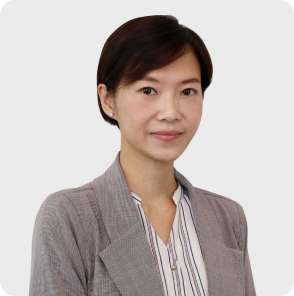
Kan Wong, M.Sc., CPBA-AP, BCBA
Program Director of AP
Kan Wong is a Certified Progressive Behavior Analyst–Autism Professional (CPBA-AP), Board Certified Behavior Analyst (BCBA), and Program Director at Autism Partnership. Since joining Autism Partnership in 2001, she has worked extensively with children across individual therapy, group programs, and ABA classrooms. Kan currently oversees Autism Partnership centers in Hong Kong, Beijing, and Shanghai, while providing clinical leadership and support to consultants across multiple offices.
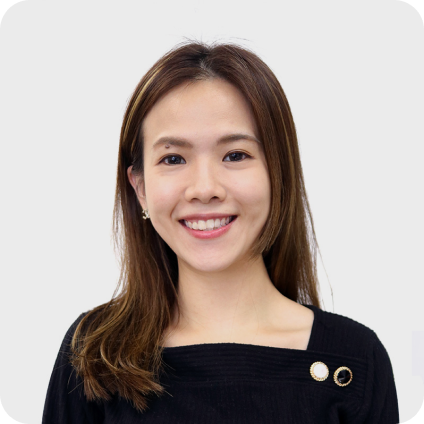
Winkie Ng, M.Ed., BCBA
Behavioral Consultant of AP
Winkie Ng is a Board Certified Behavior Analyst with a Master’s Degree in Education. With over 10 years of experience, she provides case supervision, parent consultation, staff training, and oversees Parent Training, Train the Trainer, and Jumpstart Programs. She has extensive experience supporting children with autism across clinic, home, and mainstream school settings.

Frederick Chan, M.Ed., M.Soc.Sc., BCBA
Behavioral Consultant of AP
Frederick Chan is a Board Certified Behavior Analyst (BCBA) with Master’s degrees in Social Science and Education. He has experience providing one-on-one therapy, group intervention, and school support for children with autism. Frederick also contributes to Parent Training, Staff Training, Overseas Training programs, and the development of AP Sparks educational resources.

Dr. David Fischer, Psy.D., CPBA-AP, BCBA-D
Behavioral Consultant of AP
Dr. David Fischer is a Board Certified Behavior Analyst–Doctoral (BCBA-D) and Certified Progressive Behavior Analyst–Autism Professional (CPBA-AP) with over 25 years of experience in Applied Behavior Analysis. He earned his Doctorate in Clinical Psychology from Rutgers University and has worked extensively with children and individuals with developmental disabilities across early intervention, severe behavior, feeding, and educational settings. Dr. Fischer provides clinical consultation, staff training, and program supervision, bringing extensive expertise in autism intervention and behavior management.

June Tam, M.Soc.Sc.
Behavioral Consultant of AP
June Tam holds a Master of Social Sciences in Psychology of Education and has over 25 years of experience supporting children with autism across individual and group settings. She previously served as a Lead Teacher at AP School and currently provides case supervision for individualized and specialized programs, group services, and parent support for both local and overseas families.

Christy Lai, M.Sc., BCBA
Behavioral Consultant of AP
Christy Lai is a Board Certified Behavior Analyst (BCBA) with a Master of Science in Applied Behavior Analysis. Since joining Autism Partnership in 2011, she has worked extensively with children with autism and currently leads case supervision at the Hong Kong center. Christy oversees the Little Learners Program in Hong Kong and China, provides parent consultation and overseas staff training, and supports local and international Jumpstart programs. She also contributes to the development of AP educational resources, training materials, and parent education initiatives.

Ambrose Cheung, M.Ed., BCBA
Behavioral Consultant of AP
Ambrose Cheung is a Board Certified Behavior Analyst (BCBA) with a Master of Education in Autism and Applied Behavior Analysis. With over 10 years of experience, he provides individualized therapy, group intervention, parent consultation, and staff training for children with Autism Spectrum Disorder (ASD). Ambrose is dedicated to helping families and professionals develop effective strategies that support meaningful progress and positive outcomes for children.

Sanna Kontinen, M.S., LACIC, BCBA
Behavioral Consultant of AP
Sanna Kontinen is a Board Certified Behavior Analyst (BCBA) with a Master’s Degree in Language and Communication Impairment in Children from the University of Sheffield. She has worked in the field of Applied Behavior Analysis since 2000 and brings extensive international experience from the UK, Australia, and UAE. Sanna specializes in individualized and group intervention, parent and staff training, school transition planning, and the development of Individual Education Plans (IEPs) for children and adolescents with autism.

Robin Ng, M.Sc., M.Ed., BCBA
Behavioral Consultant of AP
Robin Ng is a Board Certified Behavior Analyst (BCBA) with Master’s degrees in Clinical Neurodevelopmental Sciences and Autism & Applied Behavior Analysis. She has experience supporting children with autism across one-on-one therapy, group intervention, social skills programs, and mainstream school settings. Robin currently supervises the Little Learners Program, develops Individual Education Plans (IEPs) for students transitioning to school, and provides staff training and clinical supervision.
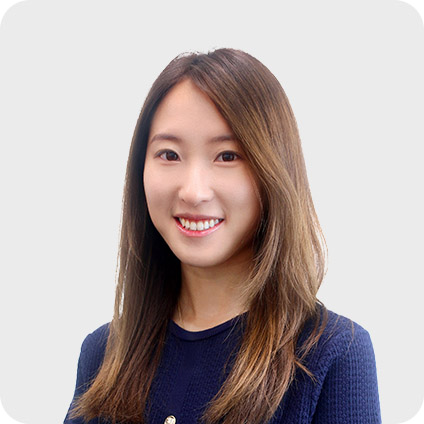
Vivian Cheung, B.A.Psy
Behavioral Consultant of AP
Vivian holds a Bachelor of Arts in Psychology from the University of California, Los Angeles (UCLA) and has experience supporting individuals with special needs.
Based in Hong Kong, she provides one-to-one therapy, group programs, school shadowing, and parent training, while overseeing individualized interventions for children and their families.
Vivian also serves as a trainer at the Training Academy, contributing to the development of fellow practitioners.

Heidi Tong, B.Sc., M.Sc.
Core Supervisor of AP
Heidi holds a Bachelor of Science in Applied Psychology from the University of Bath and a Master of Science in Psychoanalytic Developmental Psychology from University College London. She has experience working with children with Autism Spectrum Disorder (ASD) through one-on-one therapy, group programs, and school shadowing in both Hong Kong and overseas. Heidi also provides parent training and contributes to the Training Academy Program by supporting the development of new clinical staff.
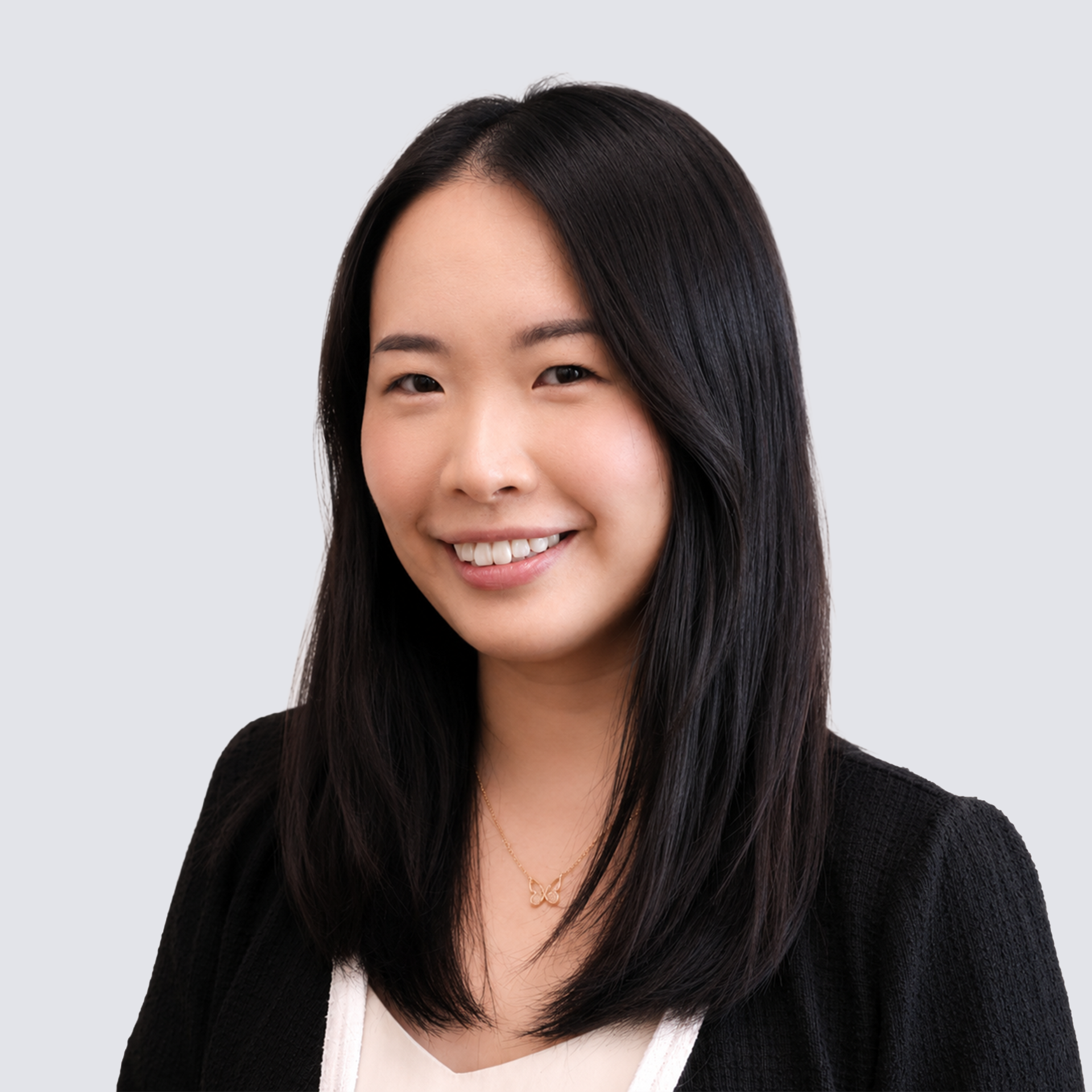
Janet Cheung, B.Soc.Sc. (Hons)
Core Supervisor of AP
Janet holds a Bachelor of Social Sciences (Psychology) with First Class Honours from the City University of Hong Kong and is a recipient of the American Psychological Association (APA) Student International Research Award. As a Core Program Supervisor at Autism Partnership, she has experience supporting children with ASD, ADHD, dyslexia, and other learning needs through individual therapy, group programs, and school shadowing. Janet also oversees the Buddies Group, develops Individualized Education Plans (IEPs), and provides training and support to staff and parents.
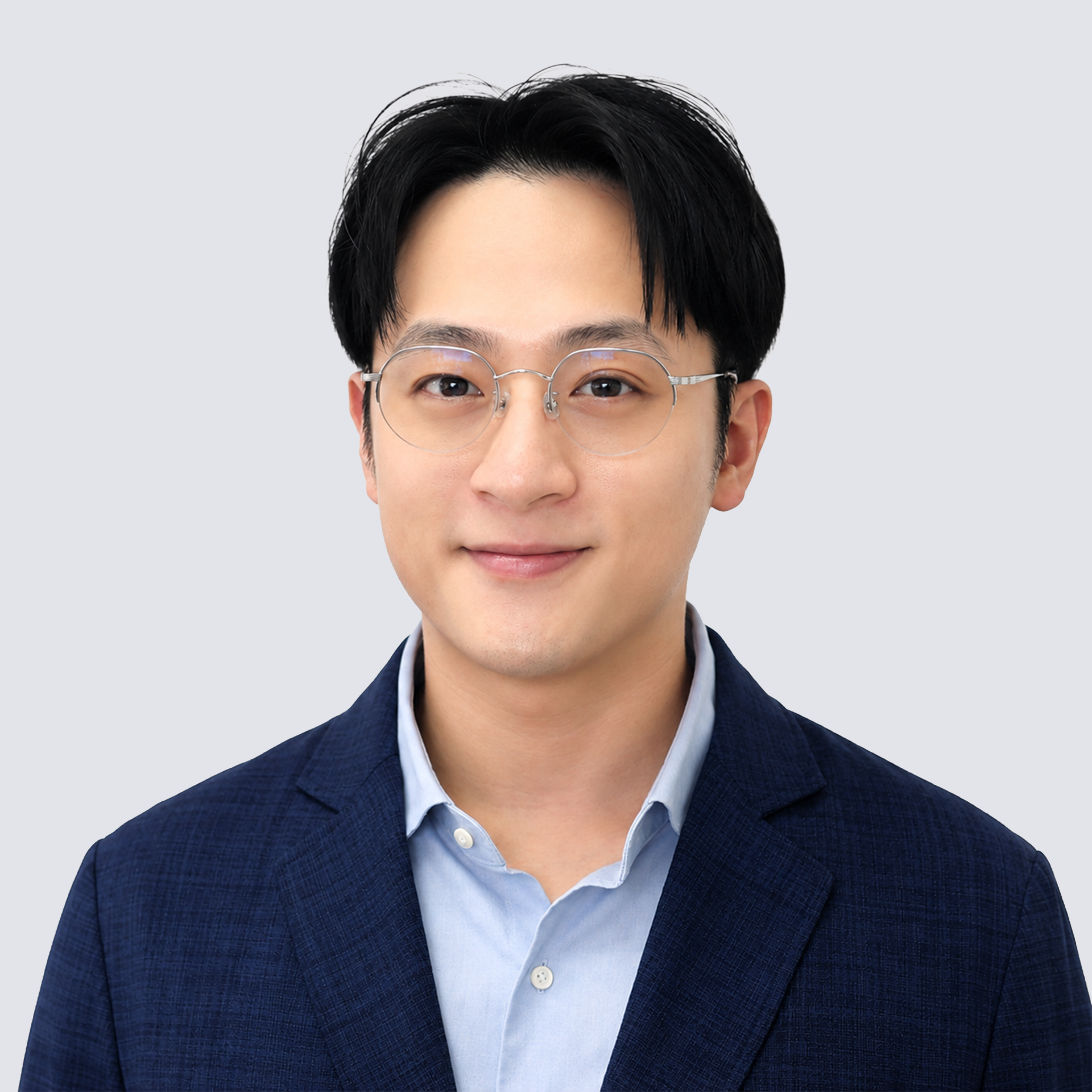
Kenneth Chong, M.A., Prof. Dip. Gen. Couns., Cert. MBP
Core Supervisor of AP
Kenneth holds a Master of Arts in Psychology, a Professional Diploma in General Counselling (Distinction), and a Certificate in Mindfulness-Based Psychotherapy (Merit). As a Core Program Supervisor at Autism Partnership, he has extensive experience supporting individuals with ASD through individual therapy, group programs, and school shadowing. Kenneth also provides caregiver training and mentors junior clinicians to support the delivery of high-quality clinical services.

Shadow Kwan, B.Sc., M.Sc.
Core Supervisor of AP
Shadow holds a Bachelor of Science in Psychology and Language Sciences from University College London and a Master of Science in Language and Communication Impairment in Children from the University of Sheffield. As a Core Program Supervisor at Autism Partnership, she specializes in designing individualized intervention programs and delivering one-on-one and group therapy for children with Autism. Shadow also provides parent training, coaches instructional staff, and supports children’s school readiness across home, school, and clinical settings.

Wing Lam, M.Sc., BCBA
Core Supervisor of AP
Wing Lam is a Board Certified Behavior Analyst (BCBA) who holds a Master of Science in Psychology from California State University, Los Angeles (CSULA). Before joining Autism Partnership, she provided ABA services in Los Angeles to children, adolescents, and adults with Autism Spectrum Disorder (ASD) across home, school, center, and day program settings. At Autism Partnership, Wing provides individual therapy, group programs, and school shadowing in mainstream school settings. She also delivers parent training and supports the professional development of clinical staff.

Mika Chan, B.Sc.
Core Supervisor of AP
Mika Chan holds a Bachelor of Science in Psychology from the University of Leicester, UK. She has experience supporting young children through individual therapy, group programs, and school shadowing, working closely with teachers, caregivers, and schools to promote meaningful progress across settings. Having worked with local and international families in both Hong Kong and overseas, Mika is experienced in adapting intervention strategies to meet diverse needs. She also provides parent training and family support to help maximize each child’s development.

Erica Wong, B.Sc., Grad. Dip. Psych.
Core Supervisor of AP
Erica holds a Bachelor of Science in Psychology from the University of Western Australia and a Graduate Diploma in Psychology from Murdoch University. She has experience supporting children with Autism Spectrum Disorder (ASD) through 1-on-1 therapy, group programs, and social skills groups. Erica also provides school shadowing for students with ASD in mainstream classroom settings. In her current role, she works with children across individual therapy and Specialized Program group sessions, supporting their development through individualized, evidence-based intervention.

Tuby Choi, B.A. (Psychology)
Core Supervisor of AP
Tuby is a Core Program Supervisor at Autism Partnership. She has extensive experience working with children through individual therapy, group programs, and comprehensive case management. Tuby oversees individualized learning programs and collaborates closely with clinical teams to ensure consistent progress across settings. She also specializes in school shadowing, supporting children in successfully transitioning to mainstream classroom environments.

Vanessa Chan, B.Sc., M.Ed., BCBA
Core Supervisor of AP
Vanessa is a Board Certified Behavior Analyst (BCBA) who holds a Bachelor of Science in Psychology from the University of Bath and a Master of Education in Autism and Applied Behavior Analysis from Endicott College. She has extensive experience supporting children with Autism Spectrum Disorder (ASD) through individual therapy, group programs, social skills training, and school shadowing. Vanessa also provides case supervision, parent training, and individualized program planning to support meaningful progress for children and their families.
Autism Partnership - Leap of Faith Stories of Parents of Children with ASD in Hong Kong
ASD Story Sharing 1: Kimi
Four years ago, Kimi was diagnosed with Autism Spectrum Disorder (ASD) at the age of 2. At the time, with limited understanding of autism therapy options in Hong Kong, we feared he might never learn to speak, read, or write.
At Autism Partnership, we found highly trained professionals who believed in Kimi as much as we did. With the right autism support, he has since exceeded all expectations and is now attending a mainstream school alongside his friends.
Kimi’s mother
ASD Story Sharing 2: Cheuk
When Cheuk was diagnosed with Autism Spectrum Disorder (ASD) at 2 years and 5 months old, we felt overwhelmed and uncertain about his future as a child with ASD in Hong Kong.
At that time, before receiving the right autism treatment, he was non-verbal—his only word was ‘mum mum.’ He had very limited eye contact, rarely responded to others, and almost never initiated interaction. His attention span was extremely short, and he often had tantrums when he couldn’t express his needs.
After 1.5 years of intensive APM® training at Autism Partnership Hong Kong, Cheuk is now able to communicate and interact with us, and he is attending a mainstream school in Hong Kong.
Cheuk’s Father
ASD Story Sharing 3: Kasey
After just six months of APM® therapy at Autism Partnership Hong Kong, Kasey made meaningful progress across multiple areas of development. His communication improved noticeably, with an increased ability to express his needs and respond to others. Socially, he began to engage more consistently—showing greater interest in people, initiating interactions, and participating in shared activities.
He also became significantly more motivated and attentive during learning and play. Activities that were once difficult or avoided became opportunities for interaction, both with others and with us as parents.
Kasey’s father
ASD Story Sharing 4: Etash
Not knowing much about autism at the time, I became concerned when my son, Etash, showed significant speech delay and limited responsiveness at 2.5 years old. He demonstrated signs commonly associated with ASD, including poor receptive language, minimal eye contact, and challenges with communication and early learning skills.
After two years of intensive APM® treatment at Autism Partnership Hong Kong, Etash has made remarkable progress. He now speaks fluently, communicates his needs clearly, follows instructions independently, and participates confidently in daily activities. Most meaningful of all, he can now call me “Mom.”
Etash’s mother
ASD Story Sharing 5: Adam
When Adam was 2, he was non-verbal, had difficulty understanding others, and struggled to walk steadily. His interests were very limited—he was largely fixated on Peppa Pig cartoons, which raised concerns for us and led us to seek an autism assessment in Hong Kong.
After four years of APM® treatment at Autism Partnership, Adam is now 6 and has caught up with his peers in learning. He has successfully transitioned to a mainstream school and is able to participate more independently in daily activities.
We feel incredibly fortunate to have accessed high-quality autism treatment at the right time. By sharing our journey, we hope to offer encouragement and hope to other families navigating autism in Hong Kong.
Adam’s father
Autism Partnership Hong Kong Our Student Learning Journey
Kimi – Former student of Autism Partnership Hong Kong
At first glance, Kimi appears to be an energetic child with a bright, adorable smile. However, at the age of 2, he was diagnosed with Autism Spectrum Disorder (ASD). At that time, he was non-verbal, struggled with compliance, and found it difficult to stay focused or engage with others. Like many families, his parents felt heartbroken and helpless watching him cry, have frequent tantrums, and withdraw.
Through 3 years of intensive and individualized APM® therapy in AP HK, Kimi made remarkable progress and is now attending a mainstream school alongside his peers.
Cheuk Cheuk - Former student of Autism Partnership Hong Kong
When Cheuk Cheuk was diagnosed with Autism Spectrum Disorder (ASD) at just 2 years and 5 months old, his family faced many uncertainties about his future. At that time, he was non-verbal —“mum mum” was the only word he could say. He had limited eye contact, rarely responded to others, and seldom initiated interaction. With a very short attention span, he often became frustrated when he couldn’t express his needs.
Everything began to change when Cheuk Cheuk received the right autism support. Just 1 month after his diagnosis, he started full-day intensive APM® (Progressive ABA) therapy at Autism Partnership. Over the next 1.5 years, he made significant progress—developing spontaneous language, improving attention and learning readiness, regulating his behavior, engaging in social play, and gaining important daily living skills such as independent toileting.
Kasey – Former student of Autism Partnership Hong Kong
When we first met Kasey, he was a quiet child who rarely responded when spoken to and seldom expressed his needs. He often appeared disengaged, with limited attention, minimal social interaction, and simple play skills. Over 2 years and 8 months of intensive 1:1 APM® autism therapy and participation in our Little Learners preschool program, Kasey gradually developed his communication, learning, and social skills. Today, he is confidently attending a mainstream school.
Watch Kasey’s JourneyPhilus – Former APM® Educational Project Student of Autism Partnership HK
Philus is a talkative boy who was diagnosed with Autism Spectrum Disorder (ASD) at 2 years old. At 2 years and 7 months, he had strong verbal language skills, but found it very difficult to follow instructions and respond consistently to his parents and teachers. His mother shared that everyday outings were especially challenging—Philus was easily distracted by his surroundings, and a simple 5-minute walk could take up to 30 minutes.
After 1 week of training at Autism Partnership, Philus began to show meaningful changes. He learned to follow instructions more consistently, respond to his parents and teachers, and stay with his parents while out in the community—making daily routines much smoother and more manageable.
Frank - Former APM® Educational Project student
Frank is a 5-year-old boy attending a special school in Hong Kong. He was diagnosed with Autism Spectrum Disorder (ASD) at 2 years and 7 months. Frank faced challenges with attention, behavior, and communication. His mother shared that daily routines were often difficult—Frank struggled to stay focused, had difficulty waiting, and would frequently have tantrums when things did not go his way.
Frank also experienced delays in language development. While he could use short, simple sentences, he found it difficult to express himself clearly or follow everyday instructions.
After 1 week of APM® autism training at Autism Partnership, Frank began to make meaningful progress. He gradually developed better attention and was able to stay engaged in tasks for longer periods. His ability to follow instructions improved, and he became more flexible and better able to manage frustration.

Getting to Know Autism Spectrum Disorder (ASD)

What is Autism Spectrum Disorder (ASD)?
Autism is a severe disruption of the normal development process and is often diagnosed within the first few years of life. Autism is viewed as a spectrum or a continuum of disorders, with varying degrees of severity and levels of functioning.
Prevalence of ASD Internationally
According to the latest report from the Centers for Disease Control and Prevention (CDC), approximately 1 in 31 (3.2%) 8-year-old children in the United States were identified with ASD in 2022. This reflects an increase from the 2020 estimate of 1 in 36 (2.7%).
Prevalence of ASD in HK
The latest official survey on persons with disabilities and chronic diseases, conducted by the Census and Statistics Department in 2020, estimated that approximately 22,400 individuals in Hong Kong have autism—about 0.3% of the population. However, this figure has been challenged by Autism Hong Kong, which suggests that the actual number may be significantly higher, estimating between 192,000 and 230,000 people, or around 2.5% to 3% of the population, are on the spectrum.
Cause of ASD
While the prevalence of autism continues to rise, its exact cause remains unknown. However, strong scientific evidence suggests that genetics play a significant role in the development of ASD. Studies have shown that identical twins have a much higher likelihood of both having ASD compared to fraternal twins, and ongoing research continues to identify specific genes that may increase an individual’s risk.
Signs and Symptoms of ASD
With advances in diagnostic practices, most children with autism can be reliably identified by around age 3, with some cases recognized as early as 12 months. While presentation varies across individuals, autism is characterized by challenges in several core developmental areas:
• Delays or differences in language and communication
• Difficulties in cognitive and adaptive functioning
• Challenges in social interaction and forming relationships
• Restricted, repetitive, or stereotyped patterns of behavior and interests
• Delays or differences in language and communication
• Difficulties in cognitive and adaptive functioning
• Challenges in social interaction and forming relationships
• Restricted, repetitive, or stereotyped patterns of behavior and interests
Early Signs of ASD to Look Out For
While every child develops at their own pace, some early ASD signs may indicate a need for further evaluation:
• Not consistently responding to their name
• Limited use of pointing, showing, or gestures to communicate
• Difficulty understanding or following simple instructions
• Frequent meltdowns or strong emotional reactions
• Reduced interest in social interaction or engaging in play with others
• Not consistently responding to their name
• Limited use of pointing, showing, or gestures to communicate
• Difficulty understanding or following simple instructions
• Frequent meltdowns or strong emotional reactions
• Reduced interest in social interaction or engaging in play with others
Autism Support & Resources | ABA Knowledge Hub
Books, Research, Journals & More

AP Publication
Written by a team of renowned professionals, AP offers a selection of books and teaching tools for parents, professionals and educators on autism and ABA program strategies.
A video series exploring the world of autism and the different perspective in the ASD communities.
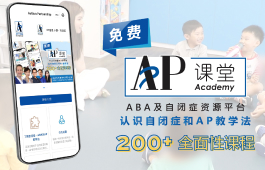
AP Academy
An educational platform with over 100 courses and 400 videos for parents, professionals and educators seeking to learn more about Autism and APM skills.
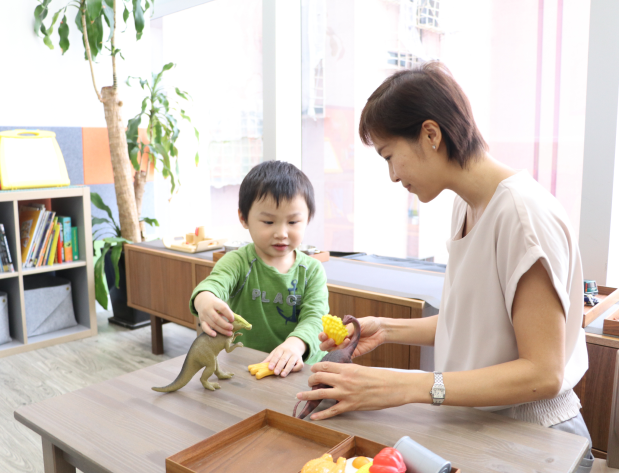
Research Journals
ASD and ABA Research Published in Peer-Reviewed Journals by the clinical team of AP and APF.
Frequently Asked Questions - Autism Partnership Treatment Services and ASD Support
The Autism Partnership Method® (APM®) is a progressive model of Applied Behavior Analysis and a high-quality, evidence-based approach for treating Autism Spectrum Disorder (ASD).
Developed through over 30 years of research and clinical practice, APM® goes beyond traditional ABA by emphasizing real-time, “in-the-moment” analysis and strong clinical judgment.
It is both flexible and systematic—allowing programs to be continuously adapted to each child’s needs—while maintaining a compassionate, individualized approach to learning and development.
If your child has received ABA before, you may notice some key differences in how we support children with Autism Spectrum Disorder (ASD).
- We Focus on Learning Skills First
Instead of starting with language alone, we first help children build essential “learning how to learn” skills, such as paying attention, responding to feedback, and staying engaged.
We also work on reducing behaviors that may interfere with learning. These foundations help children progress more effectively in all areas. - We Prioritize Long-Term Progress
We don’t rush through programs just to achieve quick results. Our goal is to help children with ASD develop lasting skills that carry over into daily life. Progress is steady, meaningful, and built to last. - We Use Focused, Purposeful Data
Rather than collecting large amounts of data, we focus on what truly matters. This allows our therapists to spend more time actively teaching your child while still making informed, data-based decisions.
The earlier intervention (autism treatment) begins, the better the outcomes for children with autism (ASD). Research consistently shows that early, intensive intervention can significantly support a child’s development, particularly in communication, learning, and social skills.
Starting during the early years—often between 18 months and 3 years old—allows children to benefit from a critical period of brain development, when learning is most rapid and responsive. With the right approach, children can build strong foundational skills that support long-term success.
That said, it is never too late to start. ABA therapy can be beneficial for individuals of all ages, and meaningful progress can still be achieved with a well-designed, individualized program.
The key is not just when to start, but ensuring the program is appropriately intensive, thoughtfully structured, and tailored to your child’s needs.
Our goal is to achieve the best possible outcome for your child. Research and our clinical experience consistently show that children with ASD who receive more hours of high-quality behavioral intervention tend to make greater progress. As a result, many children at Autism Partnership begin with 20 to 45 hours of treatment per week.
As your child develops skills, reduces interfering behaviors, and becomes more engaged in school and social activities, we may recommend gradually reducing treatment hours based on their progress and individual needs.
While once or twice a week may seem convenient, research shows that higher intensity is important for children with ASD to make meaningful progress.
To see stronger results, children usually need more frequent and consistent therapy. This may reduce some “just-for-fun” time in the short term, but when therapy is engaging, children often enjoy it and benefit greatly from it.
Learning new skills can sometimes be challenging, but it is an important part of growth. Our goal is not just short-term happiness, but long-term success.
We see intensive therapy as an investment—helping children build the skills they need for greater independence and a better quality of life. As they progress, they will have more opportunities to enjoy a wider range of activities.
A key to effective treatment is giving children with ASD enough time and consistency to learn. Full-day programs help children with ASD practise skills more often and make better progress.
Many parents worry that 5 hours is too long. However, when sessions are engaging, young children can tolerate it well—and often enjoy it.
Our sessions are:
- Age-appropriate and adjusted to your child
- Playful, engaging, and motivating
- Balanced with breaks and reinforcement
We closely monitor your child’s energy and adjust the hours if needed. When learning is fun and meaningful, children are more willing to participate and succeed.
We understand that schooling is important, and our ultimate goal is for every child to successfully attend school—ideally with minimal or no support. However, our priority is to equip your child with the essential foundation skills so they can truly thrive in a school environment, not just cope with it.
Rather than placing children into full-time school settings before they are developmentally ready, we take a careful and systematic approach. Children are gradually introduced to learning environments—starting with small group instruction, progressing to larger group settings, and eventually transitioning into part-time school placements.
As they demonstrate readiness and success, their time in school is steadily increased until they can participate more independently. Many of our children go on to succeed in mainstream school settings, but we emphasize that meaningful, lasting outcomes come from building readiness first—not rushing the process.
Our training program focuses on developing key areas including language, cognitive, social, adaptive behavior, and “learning how to learn” skills. Each child receives an individualized autism intervention program tailored to their developmental needs.
During daily sessions, therapists follow structured lesson plans that target these core skill areas through engaging, age-appropriate activities. Our consultants provide regular supervision to ensure programs are implemented effectively and make ongoing adjustments based on each child’s progress.
This approach ensures that every child receives consistent, personalized support to build meaningful and lasting skills.
The duration of APM® autism intervention varies for each child, as it is determined by their individual needs, learning profile, and rate of progress. While every case is unique, many families typically engage in intensive APM® treatment for approximately 2 to 4 years to achieve meaningful and lasting developmental gains.
As children develop stronger foundational skills—such as communication, learning readiness, and social interaction—the level of autism support is gradually adjusted. This may include transitioning into school-based settings, participating in group programs, or moving toward periodic consultation and monitoring.
APM® intervention is designed as a comprehensive, long-term approach. With consistent, high-quality support, it not only helps children build essential skills but also supports families in navigating their child’s developmental journey with greater confidence and clarity.
For many parents of children with autism (ASD), transitioning into a mainstream school is an important goal. While it is often suggested that children with autism benefit from being around neurotypical peers, the timing of this transition is critical. Entering a school setting too early—before a child is developmentally ready—may limit how much they can truly benefit from the experience.
At Autism Partnership Hong Kong, our focus is on preparing each child through high-quality, evidence-based APM® autism therapy/ treatment. Before entering a classroom, children need to develop essential foundation skills such as communication, attention, learning readiness, social interaction, and the ability to follow group instruction. These skills are key for children with autism to succeed in a school environment.
Our goal is not simply placement in a school, but long-term success. With the right autism support, children can learn to participate meaningfully and independently, rather than just cope in a classroom setting.
The transition process is gradual and carefully planned. Children typically begin with structured one-on-one sessions, then progress to small group learning, and later to larger group settings. When ready, they may start attending school on a part-time basis, often with the support of school shadowing to help them adapt successfully. As they continue to build skills and confidence, their time in school increases until they are able to fully integrate, often without additional support.
With appropriate preparation and quality autism early intervention, many children are able to successfully transition into mainstream education. The key is ensuring that each child is developmentally ready, so they can truly benefit from the opportunities that school provides.
Parent involvement is a critical component of effective autism intervention. Research, including early work from the UCLA Young Autism Project, consistently highlights that when parents are actively involved, children tend to make more meaningful and sustained progress.
To support you in this role, we provide structured, ongoing parent training throughout your child’s intervention journey. Our parent training program is designed to build both understanding and practical skills across several phases:
- Phase 1: Understanding Your Child and Family Context
A Treatment Coordinator will visit your home to better understand your child’s behaviors and the challenges you are facing. This helps us identify key areas to address and tailor support to your family’s needs. - Phase 2: Building Foundational Knowledge
You will attend weekly sessions to learn the principles behind our autism treatment approach. This includes understanding how behavior is shaped by experience, and why challenges such as meltdowns, difficulty following instructions, or selective eating occur. - Phase 3: Learning Practical Strategies
Building on the foundations, you will learn evidence-based strategies to help your child develop more effective communication, coping, and learning skills. - Phase 4: Guided Practice in a Clinical Setting
You will apply these strategies directly with your child during sessions, with hands-on coaching and feedback from our team to build confidence and effectiveness. - Phase 5: Application at Home
Training extends into your home environment, where you will practice these strategies in real-life situations, helping your child generalize skills into daily routines.
Parent training is not just recommended—it is an essential part of achieving the best outcomes for your child. With the right autism support and guidance, parents play a powerful role in helping their child progress and succeed beyond the therapy setting.
In 2007, Autism Partnership, under the direction of Toby Mountjoy, established Autism Partnership Foundation (APF), a registered charitable organization in Hong Kong. APF was founded to improve access to high-quality autism treatment and autism support in Hong Kong for children with Autism Spectrum Disorder (ASD)—especially those from low-income families who may not otherwise be able to access intensive, evidence-based intervention.
Through APF, children can receive free or subsidized autism therapy, including both one-on-one and group-based programmes. All services are delivered using the APM® (Autism Partnership Method), a structured and evidence-based approach to autism treatment, ensuring consistent, effective support aligned with Autism Partnership’s clinical standards.
APF plays an important role in making effective autism services in Hong Kong more accessible for low-income families, helping more children with autism develop essential communication, learning, and social skills.
In 2007, Autism Partnership, under the direction of Toby Mountjoy, established the Autism Partnership Foundation (APF), a registered charitable organization in Hong Kong. Under APF, AP School was founded as a self-financed primary school dedicated to supporting children with Autism Spectrum Disorder (ASD) through a structured and specialized educational setting, applying the same APM® (Autism Partnership Method) used in Autism Partnership’s clinical services.
Autism Partnership Hong Kong focuses on providing intensive, individualized APM® early autism intervention to help children build critical foundation skills, including communication, behavior management, social interaction, and learning readiness. These skills are essential in preparing children to succeed in more structured environments.
AP School extends this approach into a classroom setting, where students receive education supported by evidence-based teaching strategies and individualized programs. The school environment allows children to apply and generalize the skills they have developed through therapy into daily learning and social situations.
Together, Autism Partnership Hong Kong and AP School provide a continuum of support—from APM® autism intensive therapy to structured education—helping children with autism build the skills they need and successfully transition into school and beyond.
Yes. Please speak with our team for necessary insurance assistance.

Small victories. Big results.
Incredible change is possible — we see it every day.