
Children with Autism Spectrum Disorder (ASD) often find social interaction challenging—not because they do not want friends, but because understanding social rules, communication, and peer relationships can be difficult. At Autism Partnership Hong Kong, our Social Skills Groups help children develop the practical skills needed to build meaningful friendships, participate successfully at school, and become more confident interacting with others.

Why Are Social Skills Challenging for Some Children with Autism?
Many children with Autism Spectrum Disorder (ASD) want to interact with others and make friends, but they may find social situations confusing or difficult to navigate. Social interaction involves many skills that develop naturally for most children but often need to be taught more explicitly to children with ASD.
A child with autism may have difficulty:
- Starting and maintaining conversations
- Taking turns during play or conversations
- Sharing interests and experiences with others
- Reading facial expressions and body language
- Understanding jokes, humour, or sarcasm
- Joining group games or activities
- Understanding another person's thoughts or feelings
- Coping with losing or not getting their own way
- Resolving disagreements with peers
- Recognizing when someone is bored, upset, or no longer interested
- Understanding the expectations of friendship and teamwork
These challenges can affect many everyday situations, including:
Participating in classroom discussions and group activities at school
Making and keeping friends during recess or lunchtime
Joining birthday parties and playdates with confidence
Participating in sports, clubs, and other extracurricular activities
Interacting with siblings, cousins, and relatives during family gatherings
Without the right support, these social difficulties can sometimes lead to frustration, misunderstandings, social isolation, or reduced confidence. With individualized teaching and guided practice, however, children can learn the social, communication, and friendship skills they need to build positive relationships and participate more successfully in everyday life.

Autism Partnership offers a range of Social Skills Groups designed specifically for children with Autism Spectrum Disorder (ASD). Our groups help children develop the communication, social, and friendship skills needed to interact confidently with peers and participate more successfully in everyday social situations.
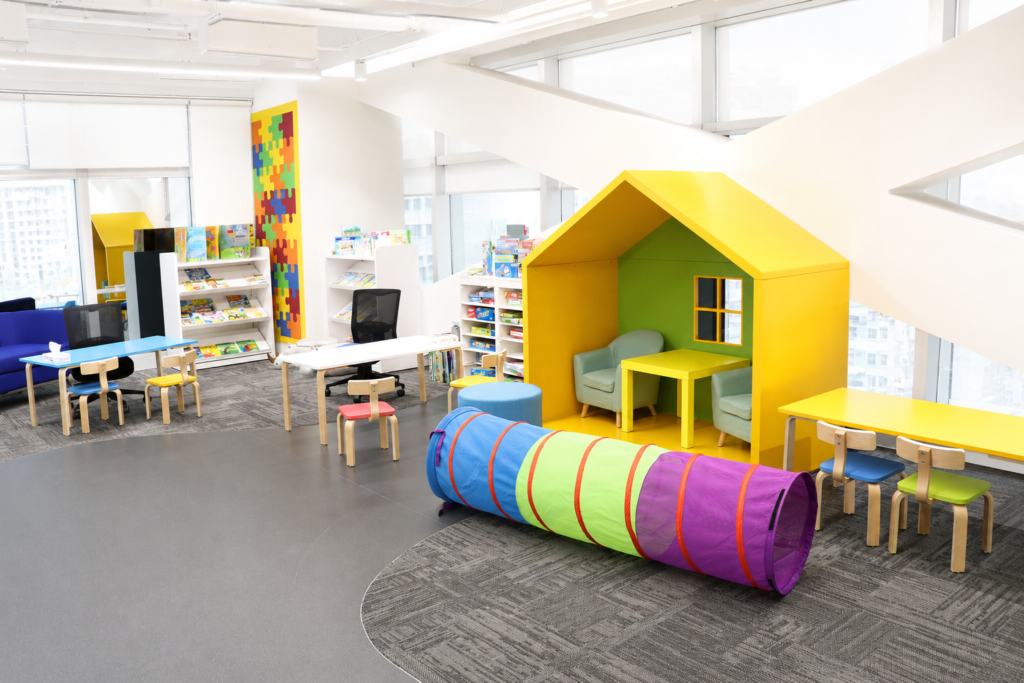
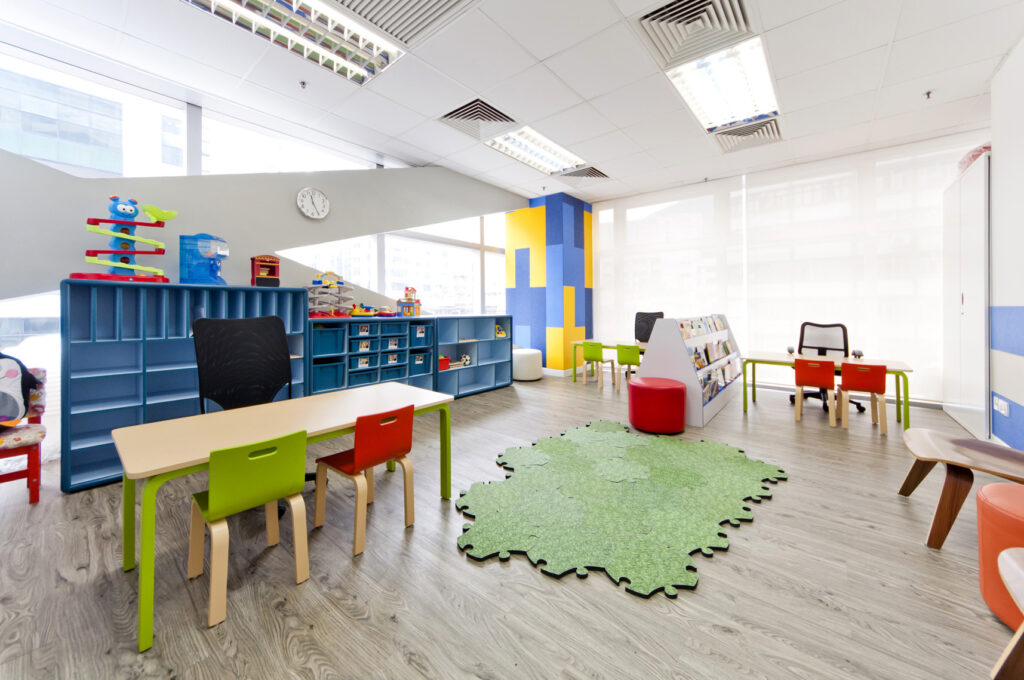
Each group is carefully designed around the individual needs, abilities, and goals of the children participating. Through fun, engaging, and motivating activities, our experienced clinicians teach important social skills such as initiating conversations, taking turns, cooperating with others, problem-solving, and building meaningful friendships in a supportive learning environment.

Little Smarties (Ages 3–5)
Building the Foundations for Social Learning
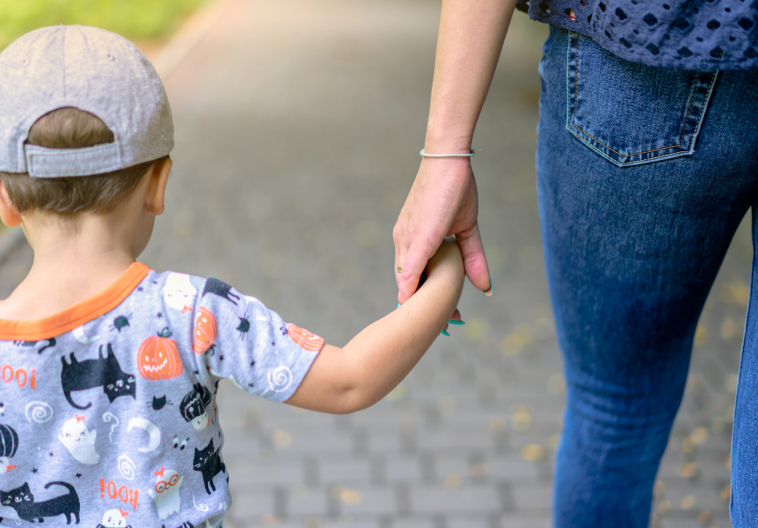
Little Smarties helps young children develop the early social and communication skills that form the foundation for positive interactions with others. Through a combination of structured teaching, guided play, and natural social opportunities, children learn to become more engaged with peers and participate confidently in group activities.
Children will learn to:
- Develop interest in and awareness of peers
- Engage in social play, including pretend play and interactive games
- Share ideas and communicate during play
- Initiate interactions and invite others to join activities
- Take turns and share with others
- Respond appropriately to peers
- Gain attention in socially appropriate ways
- Build confidence interacting with other children
The Buddies (Ages 5–8)
Developing Friendship and Everyday Social Skills
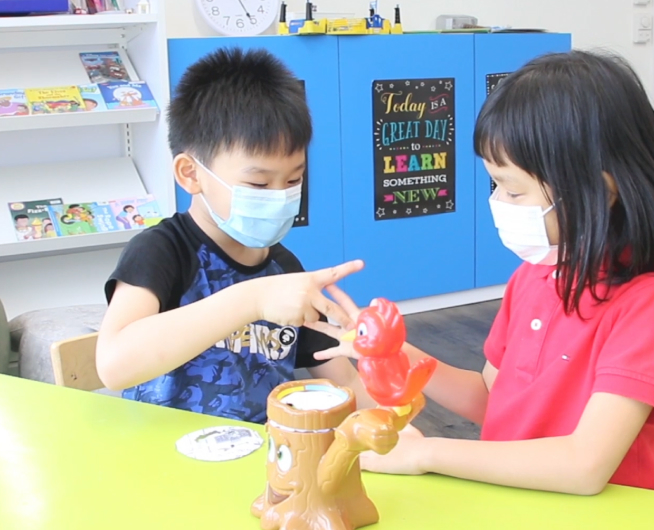
The Buddies is designed for primary school-aged children who are ready to build stronger friendships and navigate everyday social situations with greater confidence. Through games, group activities, and real-life social scenarios, children learn practical skills they can use at school, during playdates, and in their daily interactions.
Children will learn to:
- Work cooperatively as part of a team
- Develop shared interests through board games and group activities
- Make compromises and find common ground with peers
- Handle disagreements and resolve conflicts appropriately
- Develop conversation skills, including initiating conversations, maintaining topics, and responding to others
- Win and lose gracefully during games and activities
- Solve social problems using constructive strategies
- Build positive and lasting friendships
i-Club (Ages 9–11)
Preparing for More Complex Social Situations
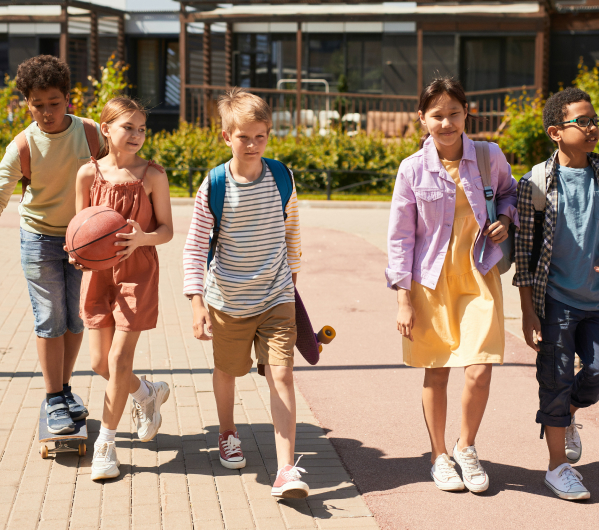
As children grow, social interactions become more complex both at school and online. i-Club helps pre-teens develop higher-level social thinking, communication, and problem-solving skills needed to navigate friendships, group dynamics, and everyday social situations with greater confidence.
Children will learn to:
- Understand different perspectives and develop perspective-taking skills
- Improve social inference and "read between the lines" in conversations
- Initiate, maintain, and contribute meaningfully to discussions
- Develop appropriate social etiquette in different settings
- Build a positive reputation among peers
- Balance conversations by sharing the conversational spotlight
- Practise safe and responsible online communication
- Develop flexible thinking and cope with unexpected changes
- Strengthen confidence in navigating school, friendships, and everyday social situations
Explorer's Club (Ages 12 - 15)
Preparing for Greater Independence
As teenagers grow, social relationships become more complex, and they face increasing expectations at school, in friendships, and online. Explorer’s Club helps teens develop advanced social thinking, communication, and self-management skills needed to navigate adolescence with greater confidence and independence.
Participants will learn to:
- Resolve conflicts and disagreements in constructive ways
- Cope with rejection and setbacks with resilience
- Develop appropriate digital etiquette and practise safe online communication
- Understand and respond appropriately to peer pressure
- Set personal goals and develop effective self-management skills
- Strengthen decision-making and problem-solving skills
- Build confidence in expressing opinions and communicating with others
- Develop greater independence for school, friendships, and everyday life
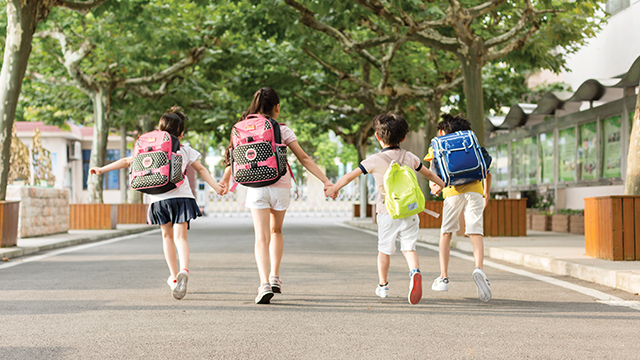

Program Details
Little Smarties
The Buddies
iClub
Explorer’s Club
Age Group
- 3-5 years old
- 5–8 years old
- 9–11 years old
- 12-15 years old
Language
- English
- Cantonese
- English
- Cantonese
- English
- Cantonese
- English
- Cantonese
Class Size
- Max 6 students
- Max 6 students
- Max 6 students
- Max 6 students
Teacher-to-Student Ratio
- 1:3
- 1:3
- 1:3
- 1:3
Sessions per Month
- Once a week
- Once a week
- Once a week
- Once a week
Session Duration
- 16:00–18:00 (Weekdays)
- 16:00–18:00 (Weekdays)
- 16:00–18:00 (Weekdays)
- 16:00–18:00 (Weekdays)
Location
- AP Quarry Bay Center
- AP Quarry Bay Center
- AP Quarry Bay Center
- AP Quarry Bay Center
Fee
- HKD6,800
- HKD6,800
- HKD6,800
- HKD6,800
What Happens During a Social Skills Group Session?
Every session is carefully planned by our clinical team to provide structured learning while keeping activities engaging and enjoyable. Depending on each group’s age and goals, sessions may include:
- Interactive games and cooperative activities
- Conversation and friendship practice
- Role-playing everyday social situations
- Problem-solving and teamwork activities
- Guided feedback and positive reinforcement
- Opportunities to practise newly learned skills with peers
Our clinical team provides individualized traching throughout each session, helping children apply social skills in meaningful and natural interactions.
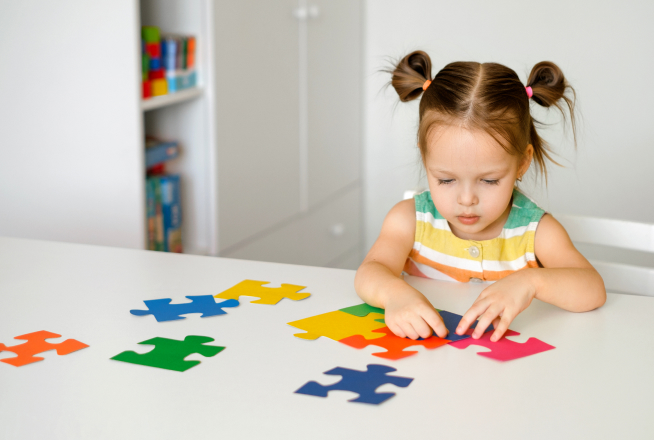
How Our Social Skills Groups Work?
Getting started is simple. Our clinical team will guide you through each step to ensure your child is matched with the most suitable group for their needs.
Step 1 – Complimentary Consultation
Meet with our clinical team to discuss your child’s social, communication, and learning needs.
Step 2 – Clinical Assessment
We assess your child’s current abilities, strengths, and readiness for group learning.
Step 3 – Group Matching
Your child is placed in a group based on age, communication level, social skills, and treatment goals.
Step 4 – Weekly Social Skills Sessions
Children participate in small-group sessions where social skills are explicitly taught and practised through structured, motivating activities.
Step 5 – Ongoing Progress Review
Our clinicians continuously monitor your child’s progress and adjust teaching goals to support meaningful development.

Meet Our APM® Clinical Team in Hong Kong Quarry Bay
Our Social Skills Groups are led by Autism Partnership’s experienced consultants and therapists, who specialize in working with children with ASD. Every group is carefully planned and supervised to ensure each child receives individualized support while learning in a small-group environment.

Kan Wong, M.Sc., CPBA-AP, BCBA
Program Director of AP
Kan Wong is a Certified Progressive Behavior Analyst–Autism Professional (CPBA-AP), Board Certified Behavior Analyst (BCBA), and Program Director at Autism Partnership. Since joining Autism Partnership in 2001, she has worked extensively with children across individual therapy, group programs, and ABA classrooms. Kan currently oversees Autism Partnership centers in Hong Kong, Beijing, and Shanghai, while providing clinical leadership and support to consultants across multiple offices.

Ambrose Cheung, M.Ed., BCBA
Behavioral Consultant of AP
Ambrose Cheung is a Board Certified Behavior Analyst (BCBA) with a Master of Education in Autism and Applied Behavior Analysis. With over 10 years of experience, he provides individualized therapy, group intervention, social skills groups, parent consultation, and staff training for children with Autism Spectrum Disorder (ASD). Ambrose is dedicated to helping families and professionals develop effective strategies that support meaningful progress and positive outcomes for children.

Robin Ng, M.Sc., M.Ed., BCBA
Behavioral Consultant of AP
Robin Ng is a Board Certified Behavior Analyst (BCBA) with Master’s degrees in Clinical Neurodevelopmental Sciences and Autism & Applied Behavior Analysis. She has experience supporting children with autism across one-on-one therapy, group intervention, social skills programs, and mainstream school settings. Robin currently supervises the Little Learners Program, develops Individual Education Plans (IEPs) for students transitioning to school, and provides staff training and clinical supervision.
Who Can Benefit from Our Social Skills Groups?
Our Social Skills Groups are suitable for children who:
- Are attending mainstream schools but are developing social skills more slowly than their peers
- Show an interest in interacting with others and developing friendships
- Can participate in a small group setting with minimal behavioral challenges
- Are ready to learn from and engage with peers
- Would benefit from developing communication, conversation, and friendship skills
- Need support with cooperation, teamwork, problem-solving, and navigating everyday social situations
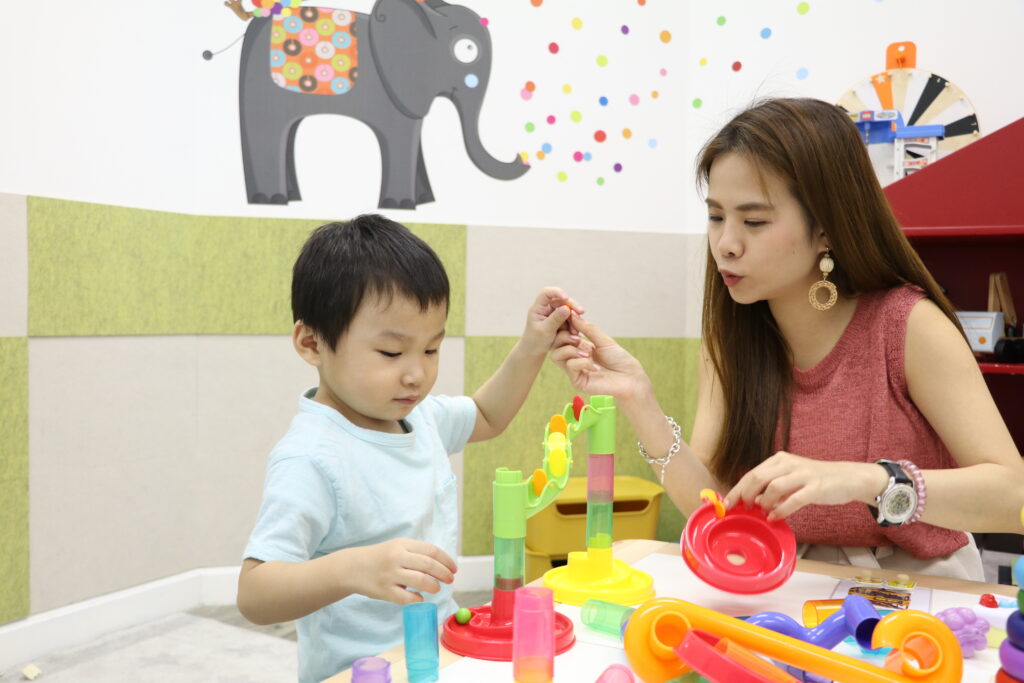
During the consultation process, our clinical team will assess your child’s current social, communication, and learning abilities to determine whether a Social Skills Group is appropriate and recommend the group that best matches their individual needs.
How Can Social Skills Help My Child at School?
Success at school involves more than academic learning. Children also need strong social and communication skills to participate in the classroom, build friendships, work with others, and become confident, independent learners.
Our Social Skills Groups help children develop the practical skills they need to navigate everyday school life with greater confidence.
Children will learn to:
- Participate appropriately in classroom discussions and group activities
- Work cooperatively with classmates during group projects
- Build friendships during recess, lunchtime, and other social opportunities
- Join games and interact confidently with peers on the playground
- Ask teachers for help when needed
- Follow classroom routines and playground rules
- Solve social problems and handle disagreements appropriately
- Develop greater confidence, flexibility, and independence at school
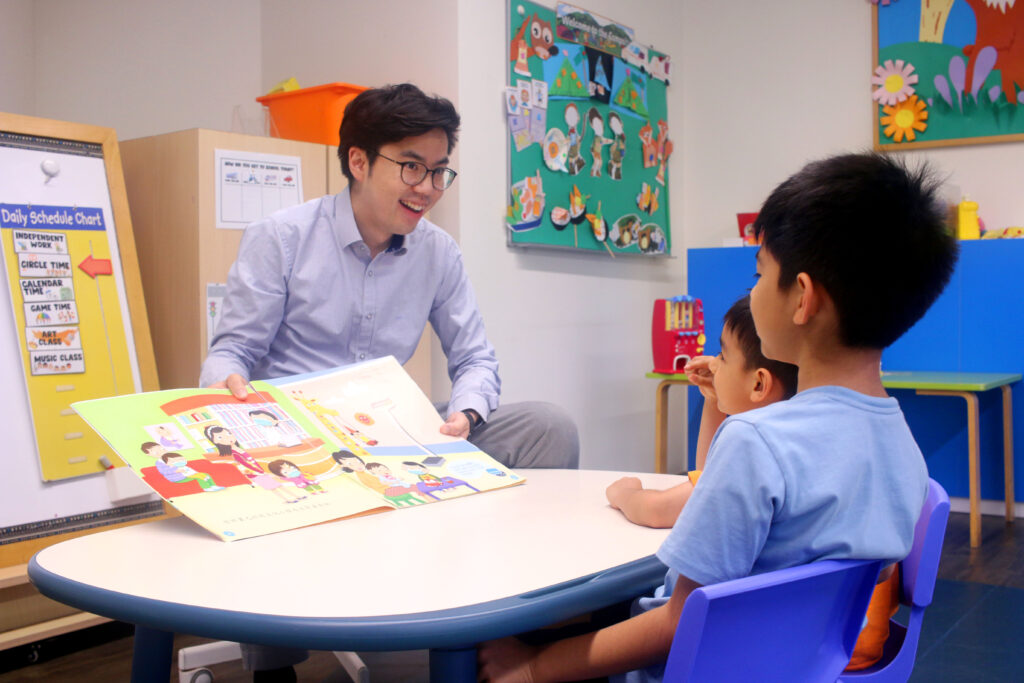
These practical skills help children participate more successfully in school while building the confidence to develop positive relationships both inside and outside the classroom.
Contact Autism Partnership Hong Kong Today
If you’re looking for a Social Skills Group for your child, our team is here to help. We offer a complimentary consultation to better understand your child’s current social, communication, and learning needs, and recommend the program that best supports their development.
Whether your child is finding it difficult to make friends, participate in group activities, or navigate social situations at school, our experienced clinical team can guide you through the next steps.
Contact Autism Partnership Hong Kong today to:
- Learn more about our Social Skills Groups
- Find the most suitable group for your child’s age and abilities
- Arrange a complimentary consultation
- Ask questions about our programs and enrollment process
Address: 7/F & 27/F, 633 King’s Road, Quarry Bay, Hong Kong
Tel: (+852) 2526 3812
Email: info@autismpartnershiphk.com
Social Skills Group Frequently Asked Questions
There is no single “best” age to begin social skills training. Children can benefit from learning social skills whenever they are ready to learn in a group setting. At Autism Partnership, we assess each child’s communication, learning, and social abilities to determine the most appropriate group and level of support. Early intervention often provides more opportunities for children to develop the social skills needed for school and everyday life.
Many parents wonder whether their child’s social challenges are simply part of their personality or whether additional support could help. Your child may benefit from a Social Skills Group if they:
- Want friends but struggle to make or keep them
- Prefer playing alone
- Find it difficult to join group activities
- Have difficulty taking turns or sharing
- Struggle to understand social cues, jokes, or sarcasm
- Frequently have conflicts with peers
- Receive feedback from teachers about social difficulties
If you’re unsure, our clinical team can assess your child’s social and communication skills and recommend the most suitable program
Children are carefully matched based on factors such as age, communication abilities, learning level, social skills, and treatment goals. Creating compatible groups helps maximize social opportunities for meaningful interaction, successful learning, and positive peer experiences.
While children naturally interact during playgroups, social skills are not always taught directly. At Autism Partnership Hong Kong, every activity is designed with specific learning objectives. Our clinicians actively teach, model, prompt, and reinforce important social skills throughout each session, helping children learn not only what to do, but also when and why to use these skills in everyday situations.
Yes. Like communication, academic, and daily living skills, social skills can be taught through individualized, evidence-based instruction. Children can learn how to initiate conversations, take turns, cooperate with others, understand social cues, solve problems, and build friendships when these skills are systematically taught and practiced.
Every child learns at their own pace, so progress varies depending on their current abilities, learning needs, and opportunities to practise new skills outside the group. Some children begin demonstrating improvements within a few months, while others require a longer period of consistent teaching and practice. Our clinical team continually monitors progress and adjusts teaching strategies to help each child achieve meaningful outcomes.
Yes. Many children attending mainstream schools benefit from additional support in developing social communication, friendship, group participation, and problem-solving skills. Social Skills Groups can help children become more confident interacting with classmates, participating in classroom activities, and navigating everyday social situations
At Autism Partnership Hong Kong, there is no standard curriculum that every child follows. Our clinicians assess each child’s current strengths, challenges, and learning needs before identifying the skills that will have the greatest impact on their everyday life. Teaching goals are individualized and are updated as the child develops.
Not always. Some children are ready to participate in a Social Skills Group without prior one-on-one therapy, while others may benefit from developing foundational learning, communication, or behavior skills first. Our consultants will assess your child’s current abilities and recommend the combination of services that will best support their progress.