
For many parents of young children with autism, their biggest concerns are not necessarily whether their child can recognize letters, count, or keep up academically with other children their age.
Sometimes, the questions that weigh most heavily on parents are much more fundamental — and much more closely connected to their child’s future:
These were some of the questions that Long Long’s mum had been carrying with her.
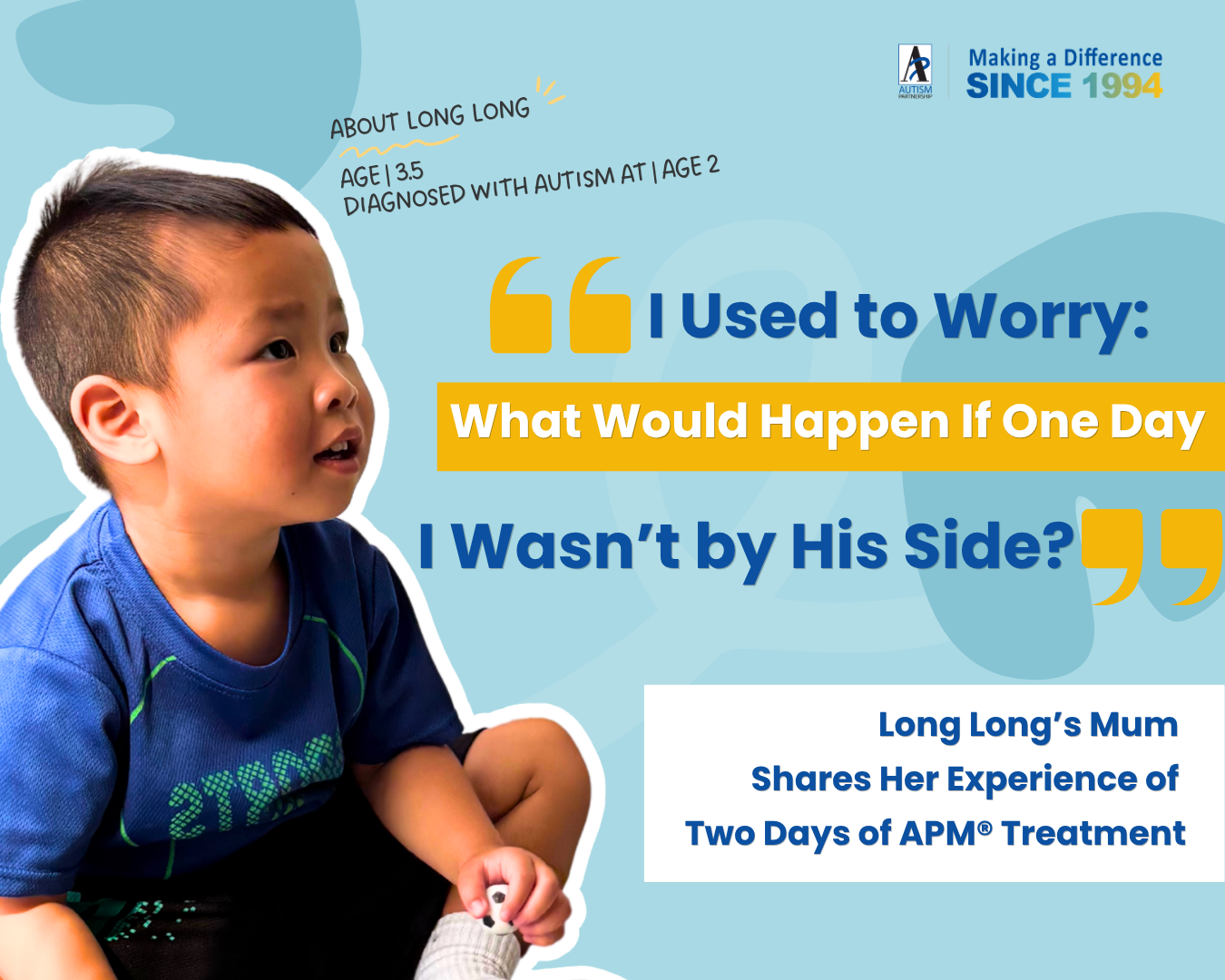
Long Long is three and a half years old. Before bringing him to Autism Partnership Hong Kong for two days of intensive APM® treatment, his mum had many concerns about his learning, communication, and his ability to become more independent in the future.
Before receiving APM® treatment, one of Long Long’s most noticeable challenges was sitting and sustaining attention.
His mum described him as constantly moving around. Even during an everyday activity such as mealtime, getting him to remain seated at the table could be difficult.
He might eat a few bites, get up and run around, and then return to continue eating.
Sitting down to look at a book was similarly challenging. Maintaining attention, waiting, listening to others, and participating in a structured activity did not come easily to him.
When a child has difficulty sitting, attending, and listening, it can also make it harder for them to participate in learning activities and may create additional challenges when they eventually enter a classroom environment.
As Long Long grew older, his mum therefore found herself wondering:

These questions had been on her mind for some time.
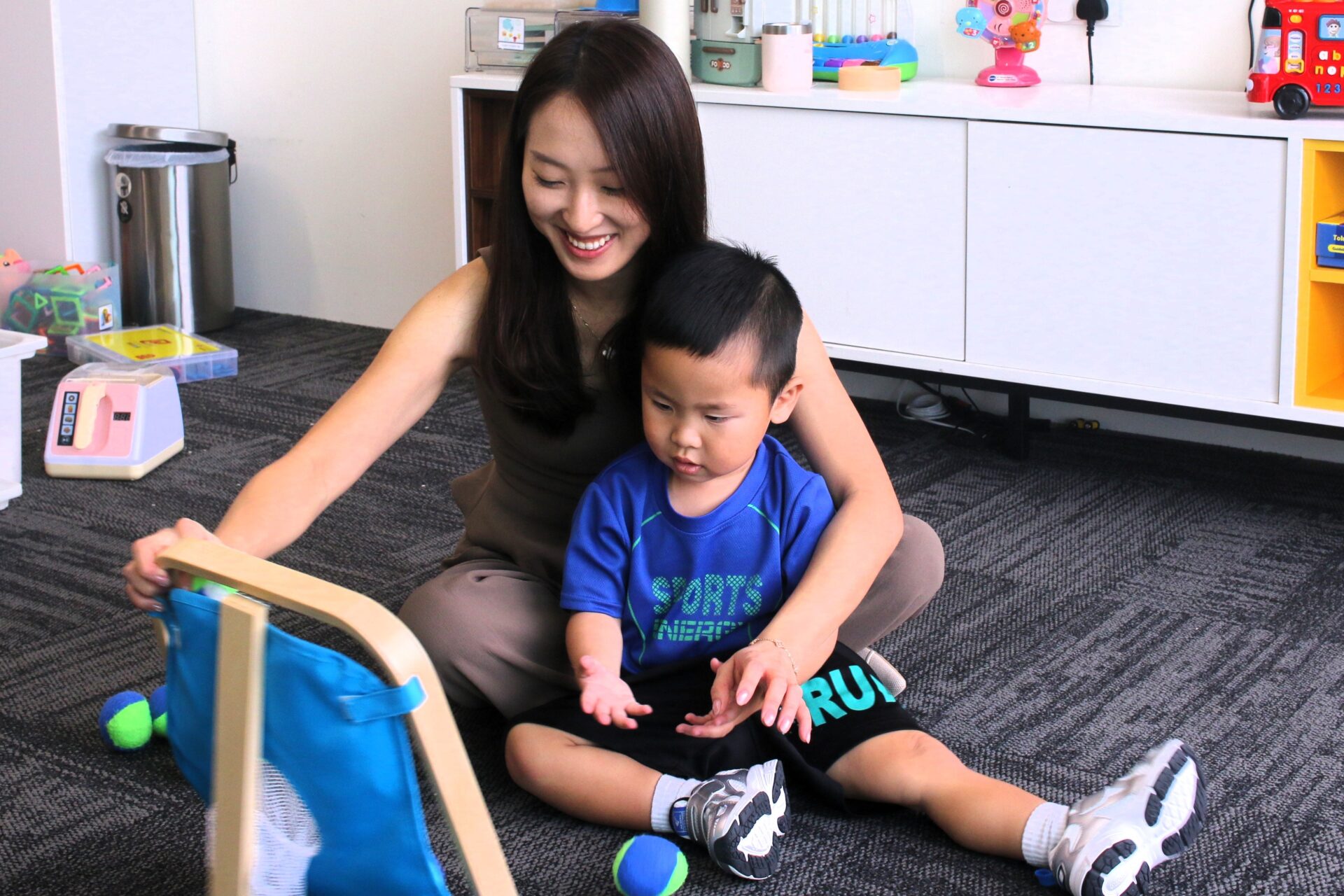
Long Long could understand some simple instructions and say some words, but his mum felt that his communication skills were still not where she hoped they would be for his age.
More importantly, being able to say some words is not the same as being able to communicate effectively.
What concerned his mum most was whether Long Long could independently tell other people what he wanted or did not want — or even communicate something that had happened to him.
As his mum, she could often understand him because she knew her son so well.
But she worried about the future.
What would happen if one day she was not there beside him?
If something happened at school, would he be able to tell someone?
If he needed help, would he know how to ask for it?
If he did not want to do something, would he be able to clearly express himself?
For Long Long’s mum, this was no longer simply about “speech.” It was about her child’s future safety, independence, and quality of life.
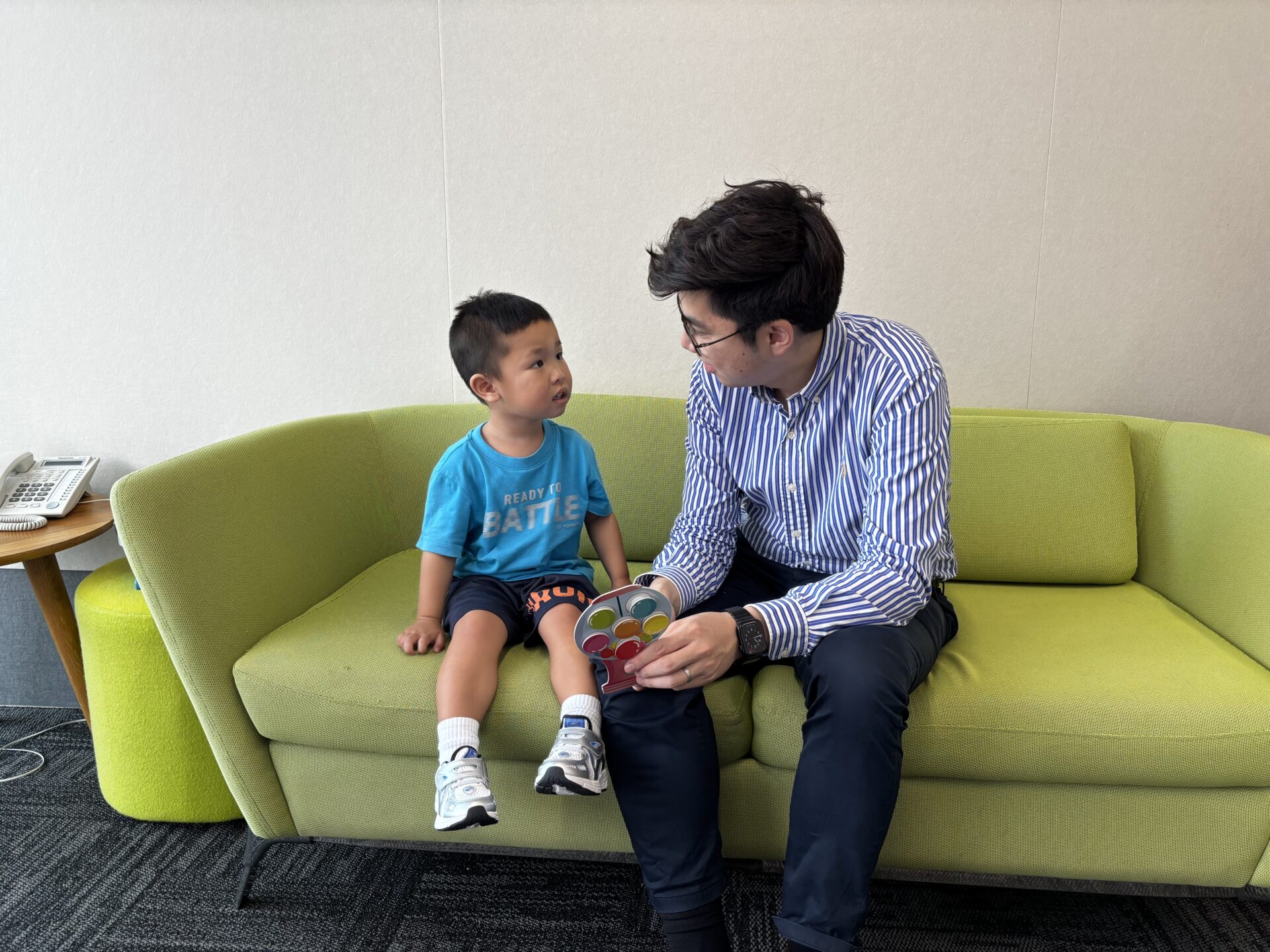
Long Long subsequently participated in two days of individualized treatment based on the Autism Partnership Method® (APM® ).
Rather than simply asking him to “sit for longer” or repeatedly reminding him to “pay attention,” the clinical team first sought to understand what was getting in the way of his learning. Teaching strategies were then adjusted flexibly according to Long Long’s responses.
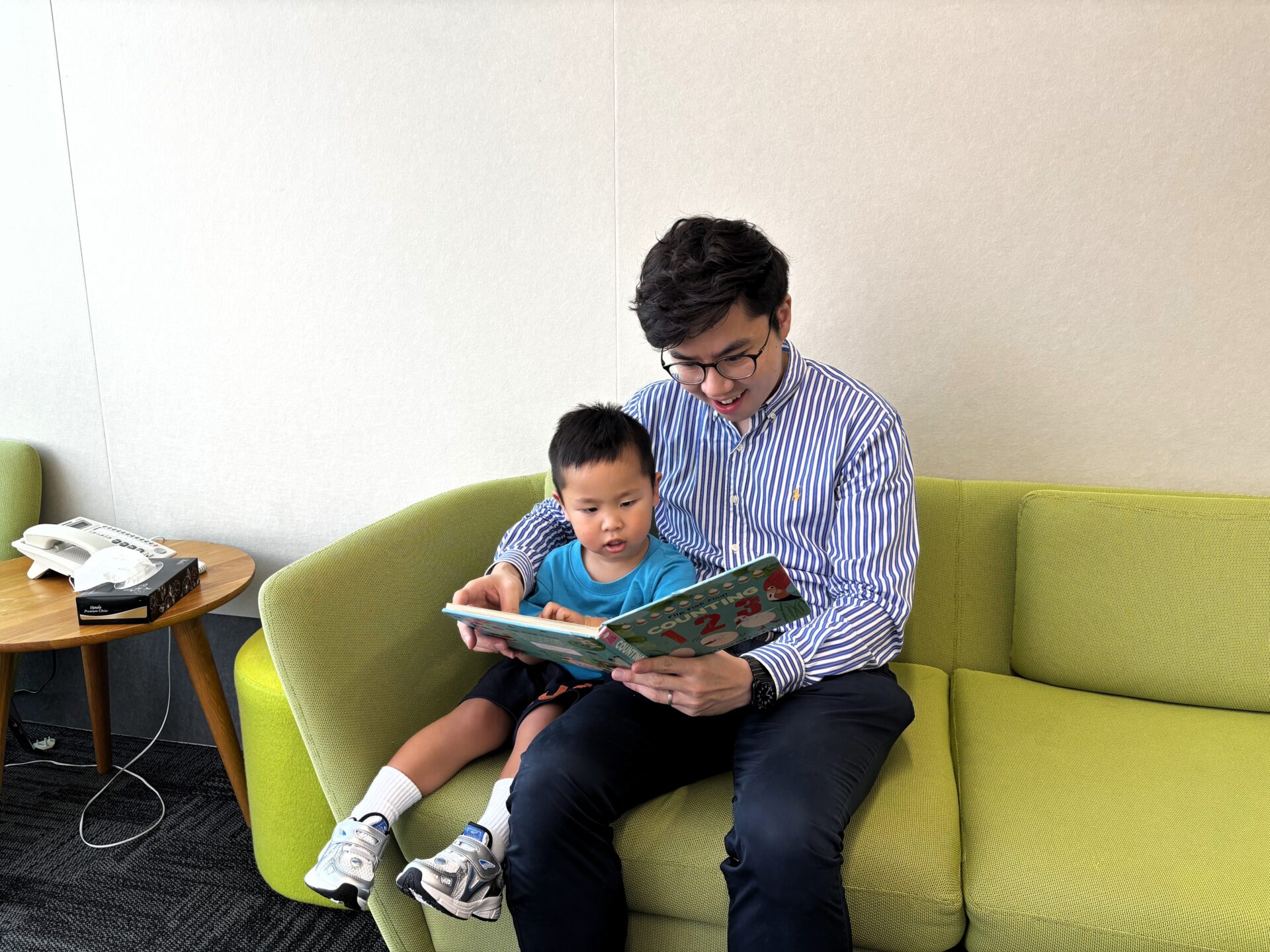
One of the moments that surprised his mum most during those two days was seeing Long Long actually sit down and look at a book.
“So he really can do it.”
To someone else, this might seem like a small change.
For his mum, however, it meant much more.
She had previously thought that getting Long Long to sit down and engage in an activity like this was almost impossible.
Seeing him do it with her own eyes led her to consider a different question. Perhaps it was not simply a matter of whether Long Long could learn.
Perhaps another important question was:
How are we teaching him?
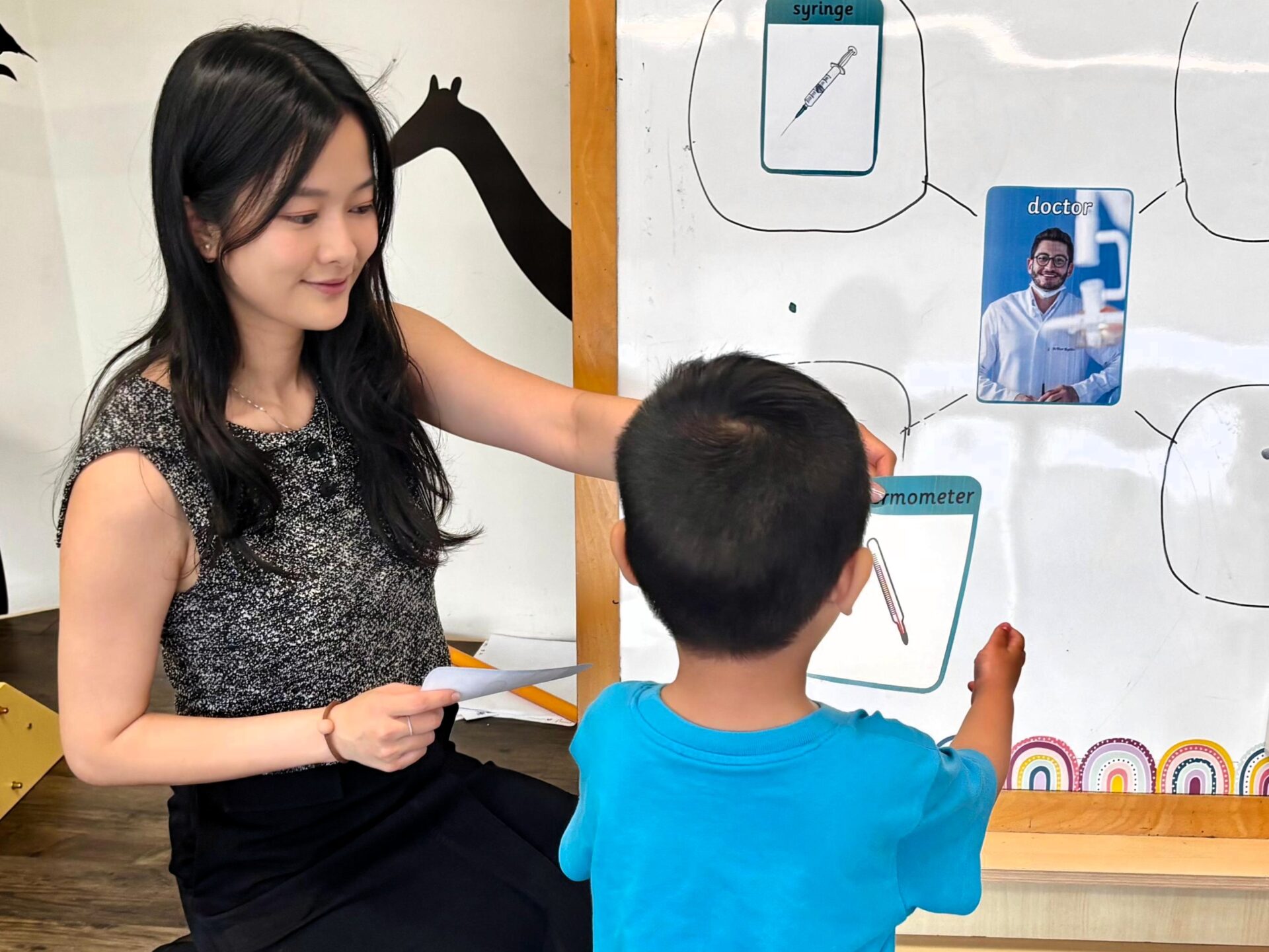
During the two days, the AP team also worked on Long Long’s ability to wait.
“Waiting” may sound like a simple everyday skill, but it can involve many different abilities for a young child. A child needs to regulate their behaviour, tolerate not immediately receiving something they want, understand what another person is asking, and remain engaged with what is happening around them.
During treatment, Long Long’s mum also noticed an important change in his communication.
Long Long had previously used expressions such as “no” or “don’t want,” but his mum felt that he did not always understand how to use these words purposefully to communicate what he meant.
During treatment, she began to see him use refusal more meaningfully.
When he genuinely did not want something, he began to communicate his intention more clearly.
For his mum, this distinction was important.
The goal was not simply for Long Long to say more words. It was for him to gradually understand that language can be used to communicate with other people and express his own needs and intentions.
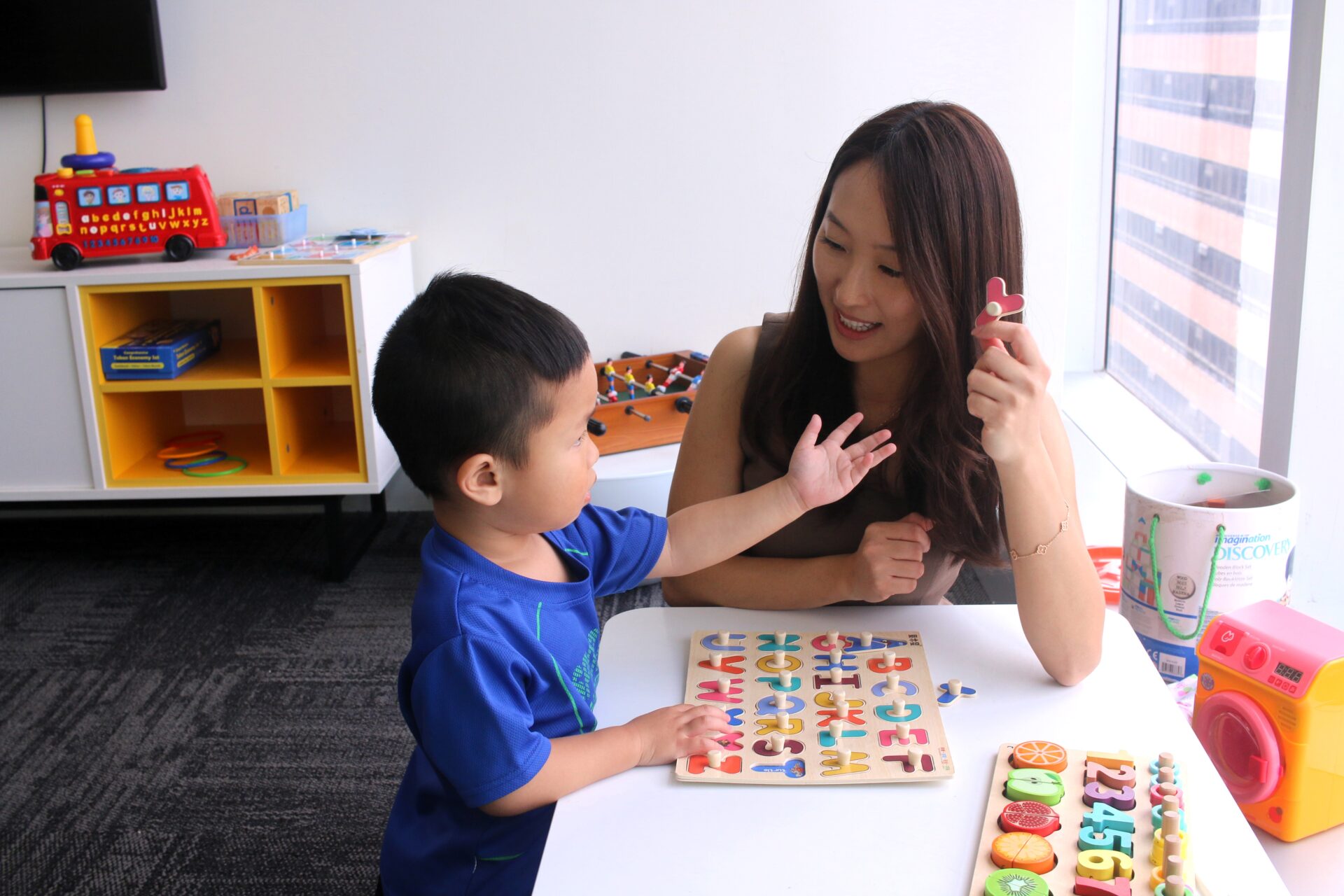
One of the changes that stood out most to Long Long’s mum did not happen during a treatment session at all. It happened during everyday family life.
Previously, travelling in the car without YouTube could be difficult for Long Long. He would typically need to watch videos throughout the journey.
After the treatment, however, his mum noticed that on one car journey, Long Long was able to remain seated for the ride without watching YouTube the entire time.
It may sound like a small change in an ordinary family routine, but to his mum, it was meaningful.
For children with autism, meaningful progress should not exist only within the treatment room.
Ultimately, we want children to gradually use the skills they learn across different environments — at home, at school, and in the community — so they can participate more successfully in everyday life.
After two days, the most important change was not that all of Long Long’s difficulties had suddenly disappeared.
Two days is a very short period of time, and every child learns and progresses at a different pace.
What the experience did give his mum was the opportunity to see something she had not previously been certain about:
Long Long was capable of more.
Sitting, paying attention, waiting, looking toward others, and communicating his needs more purposefully were not necessarily things that Long Long simply “couldn’t do.”
With individualized teaching, appropriate motivation, and teaching strategies that were adjusted according to his responses, he could begin developing these abilities step by step.
That realization also gave his mum a new perspective on how Long Long learns.
Long Long’s mum hopes for many of the same things that other parents of children with autism hope for.
She wants her son to be able to communicate with other people.
She wants him to be able to learn.
She hopes he will be able to participate more successfully in school and everyday life.
Most importantly, she hopes Long Long can gradually develop the skills he will need to become more independent — even if one day she cannot always be there beside him.
These two days of APM® treatment were only one step in Long Long’s learning journey.
But for his mum, seeing what he was able to do with individualized teaching provided an important insight:
She began to understand more clearly what was getting in the way of Long Long’s learning — and to see that when these barriers to learning are appropriately addressed, her child may be capable of much more.
Long Long’s mom was invited to present her perspective as an educational opportunity for addressing the awareness of ASD and importance of early-intervention. Long Long is a past client of Autism Partnership Hong Kong.
Does your child find it difficult to sit and pay attention? Is following instructions or waiting challenging? Perhaps your child can say some words but rarely uses language spontaneously and purposefully to communicate with others. Or maybe you often find it difficult to engage your child in learning and are unsure how best to teach them.
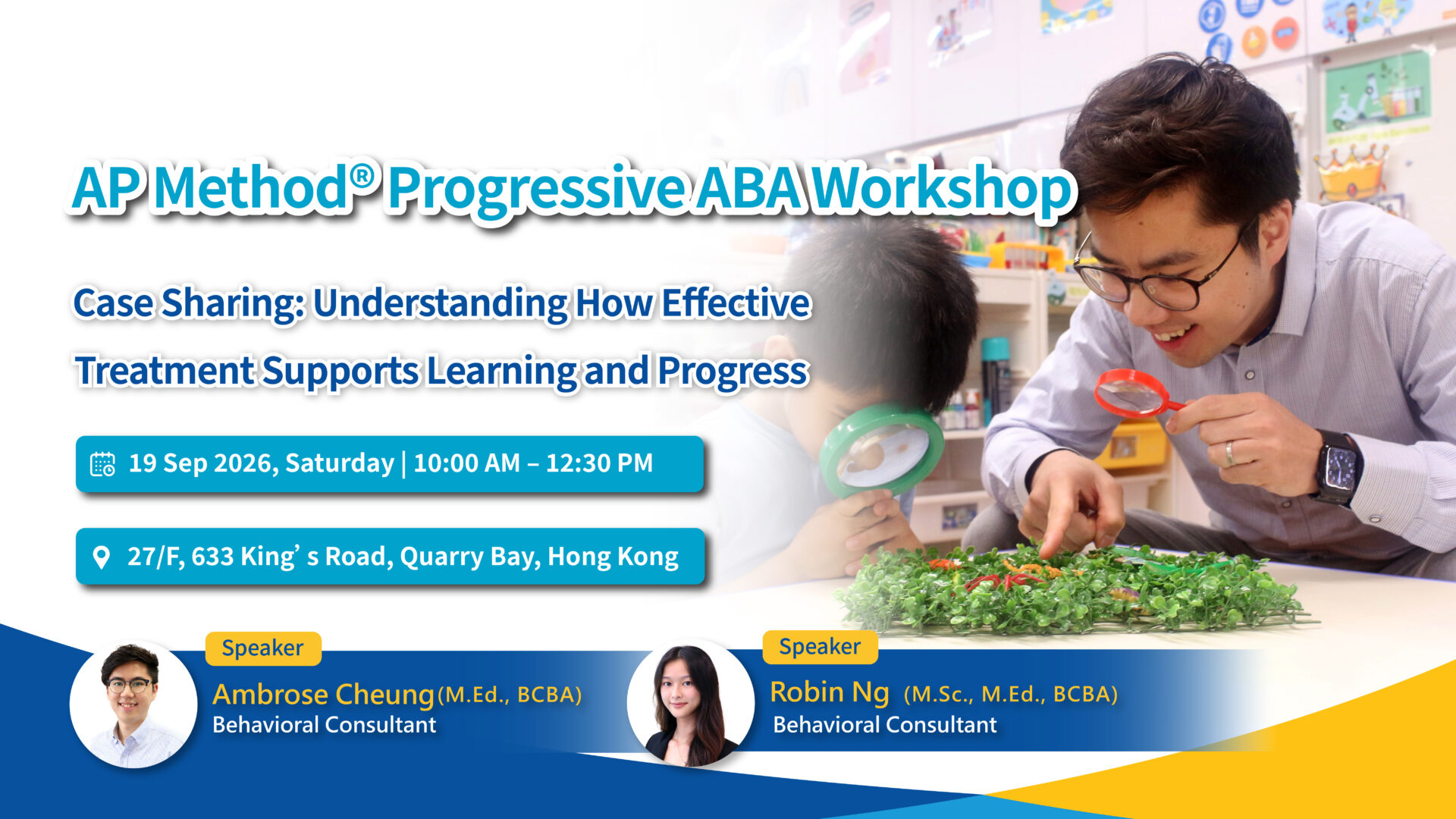
Join our AP Method® (Progressive ABA) Workshop to see real treatment sessions and learn how effective autism treatment using ABA can help Long Long and other children with autism gradually develop essential “Learning How to Learn” skills, as well as practical communication skills that can support their everyday lives.


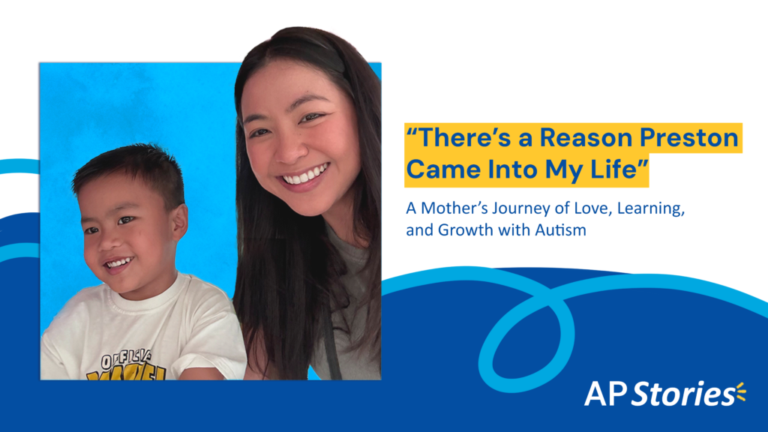
The first thing you’ll notice about Preston is his bright smile and the love he shows to the people around him. But behind that smile is a story of a mother’s strength, filled with ups and downs, courage, and hope. It’s a journey of turning fear into love—and finding strength in the unexpected. A Life-Changing […]

https://youtu.be/NASbOAI3T4A My son, Zhang, is now 8 years old and though he is diagnosed with Autism Spectrum Disorders (ASD), to me he is just like other normal children, unique and special. To many others, Zhang appears to be a good looking little gentleman. However, compared to other children, the time and effort I spent to […]

Grow at Your Own Pace(Sharing after 1.5 years of training in AP) Cheuk Cheuk is a cute little boy with an adorable smile. He has been receiving full day intensive #ABA training at AP HK since December 17, 2018 at 2 years and 6 months old. “Mum mum” was the only word that he could […]
Please share to let more people learn about ASD and ABA therapy:

All information received will always remain confidential. We will contact you as soon as we review your message. Thanks